
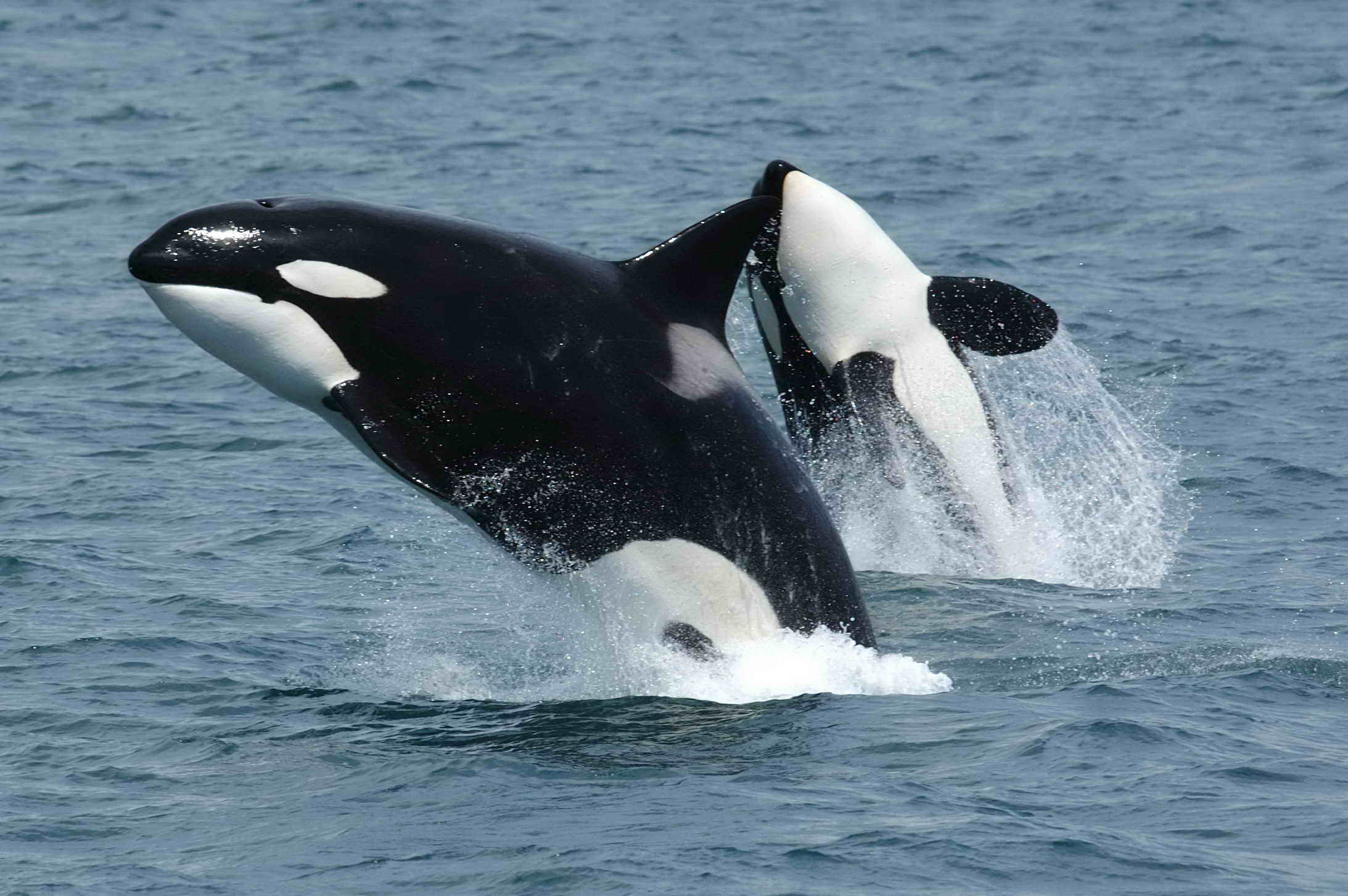

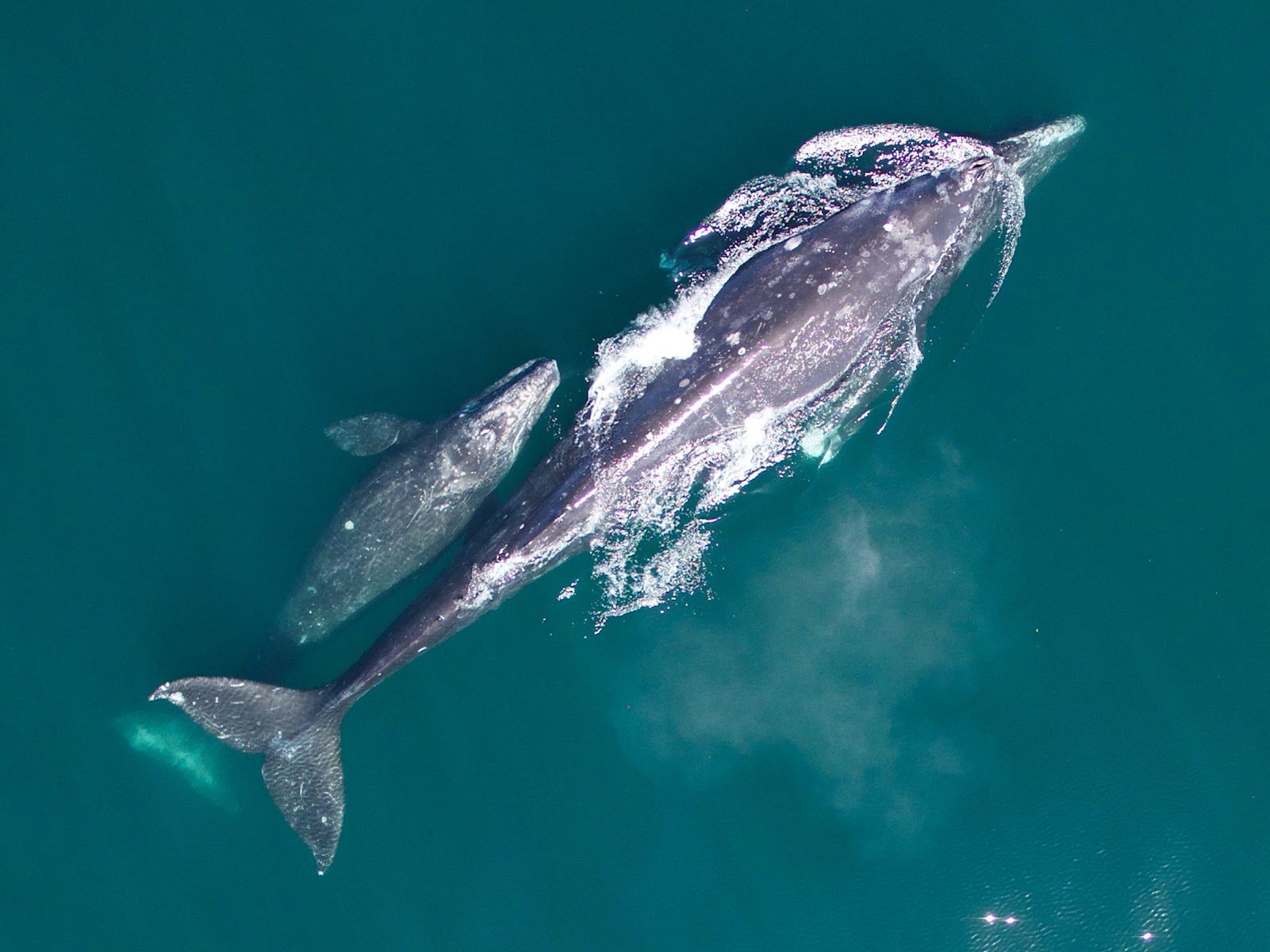
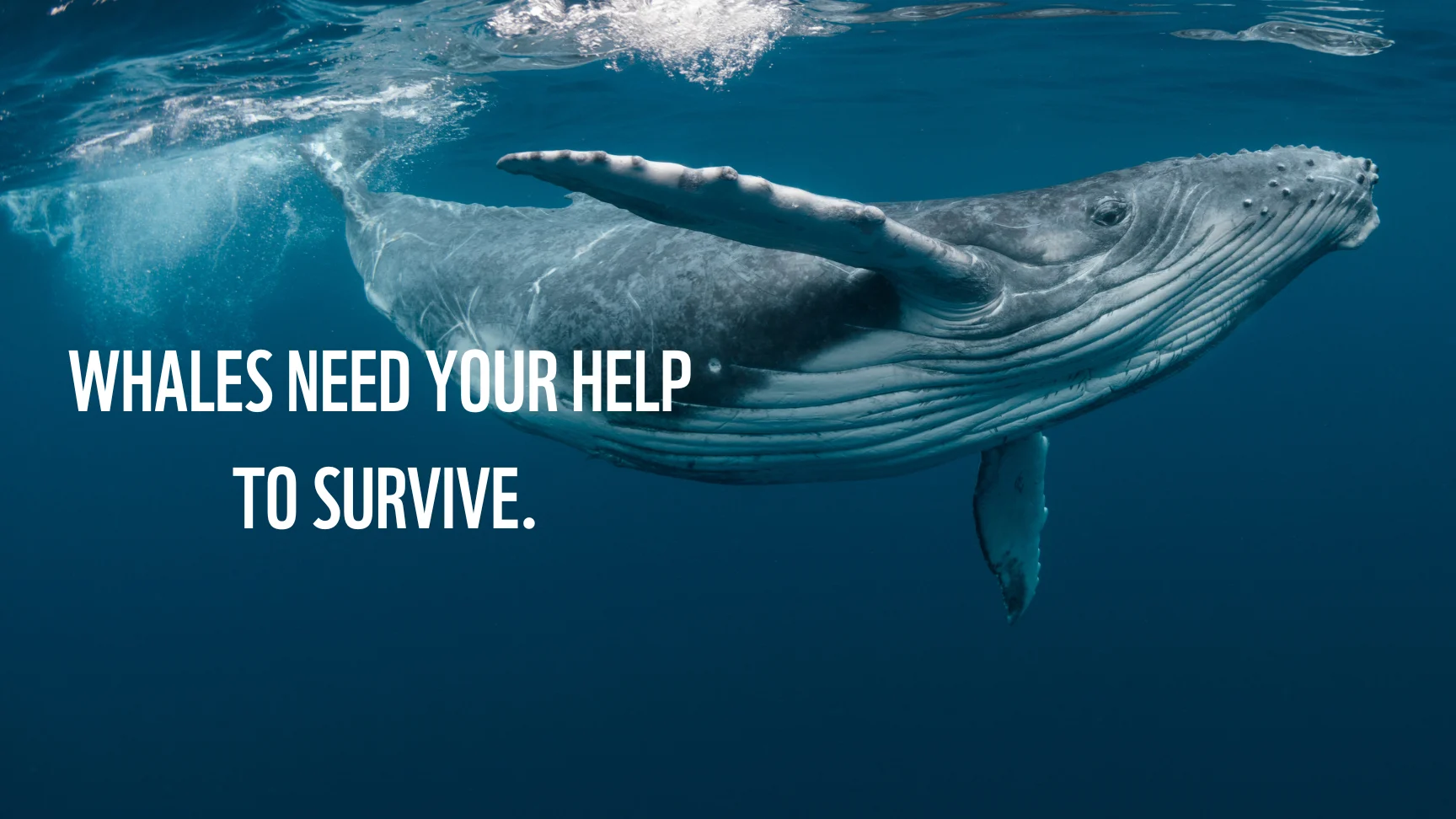
Whales are among the largest and most fascinating animals on Earth. From the enormous blue whale to the acrobatic humpback whale, these marine giants have inspired awe for centuries. Beyond their remarkable size and intelligence, whales play a vital role in maintaining healthy oceans and supporting the planet’s climate.
Scientists have increasingly recognized that whales are much more than iconic wildlife—they are key contributors to marine ecosystems. Their daily activities help distribute nutrients, support ocean food webs, and even influence the amount of carbon stored in the environment.
Understanding why whales matter highlights the importance of protecting these incredible animals and the ecosystems they call home.
The Importance of Whales in Marine Ecosystems
Every species plays a role in maintaining ecological balance, and whales are no exception. As some of the largest animals in the ocean, they influence their surroundings in ways that benefit countless other marine organisms.
Whales interact with nearly every level of the ocean ecosystem by:
- Recycling essential nutrients
- Supporting plankton growth
- Providing food for deep-sea organisms
- Maintaining healthy marine food webs
- Transporting nutrients across vast distances
These ecological contributions make whales essential for resilient and productive oceans.
Nature’s Nutrient Recyclers
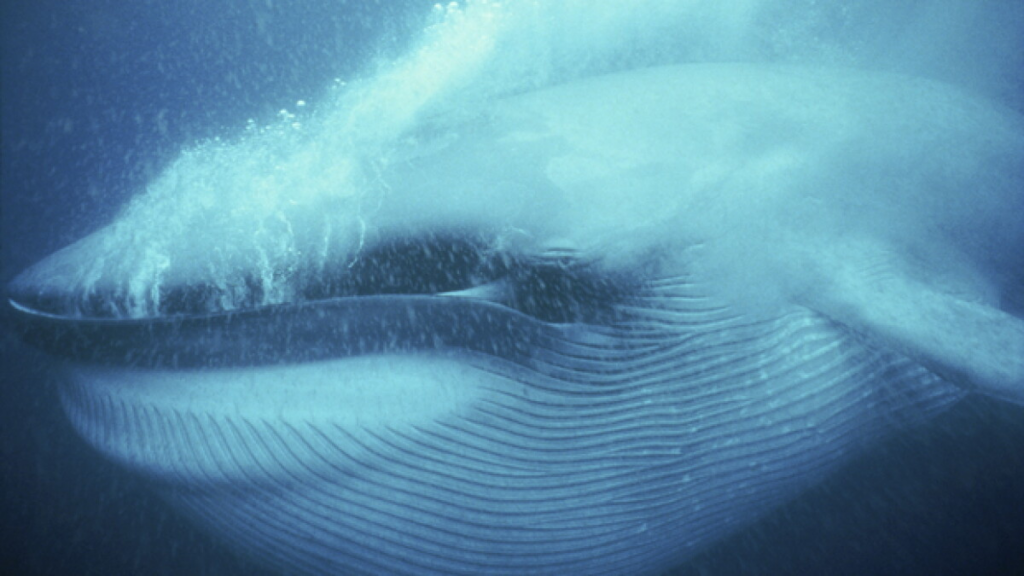
One of the most remarkable ways whales support ocean health is through nutrient cycling.
Unlike many marine animals, whales often feed at deeper depths and return to the surface to breathe. During this process, they release nutrient-rich waste near the ocean’s surface.
This natural recycling process provides nutrients such as:
- Nitrogen
- Iron
- Phosphorus
These nutrients fertilize surface waters, encouraging the growth of microscopic marine plants known as phytoplankton.
Although invisible to the naked eye, phytoplankton form the foundation of marine food chains and support an enormous variety of ocean life.
Supporting the Ocean’s Food Web
Healthy phytoplankton populations are essential for thriving marine ecosystems.
Phytoplankton provide food for:
- Zooplankton
- Small fish
- Shellfish
- Krill
These organisms, in turn, become food for:
- Larger fish
- Seabirds
- Seals
- Sharks
- Dolphins
- Whales themselves
By helping sustain phytoplankton growth, whales indirectly support countless marine species, including many that are important to commercial fisheries and coastal communities.
The “Whale Pump” Effect
Scientists often describe this nutrient recycling process as the “whale pump.”
Here’s how it works:
- Whales dive deep to feed.
- They consume large amounts of prey such as krill or small fish.
- They return to the surface to breathe.
- They release nutrient-rich waste into surface waters.
- Those nutrients stimulate phytoplankton growth.
This continuous movement of nutrients from deeper waters to the sunlit surface increases ocean productivity and benefits marine life across wide areas.
Whales and Climate Regulation
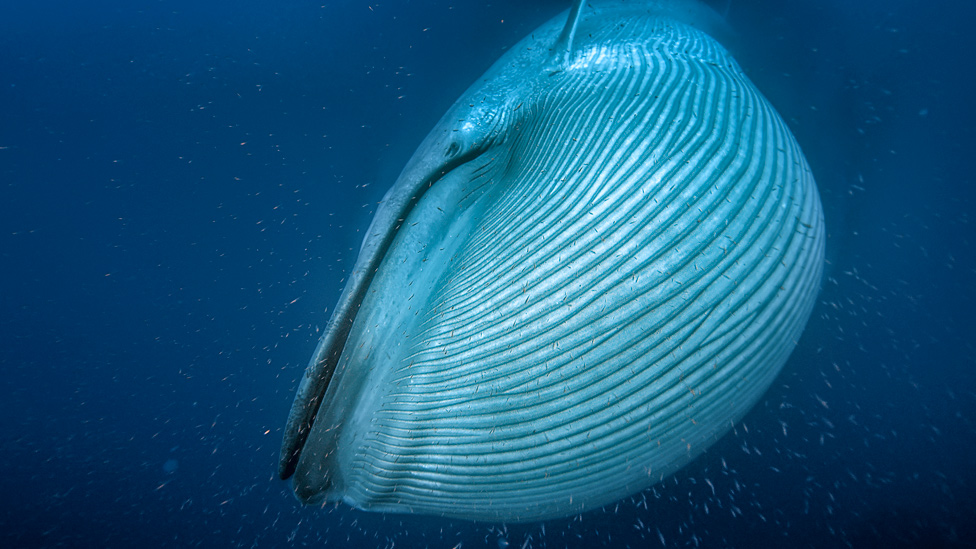
Whales also contribute to one of the planet’s most important natural climate processes: carbon storage.
Phytoplankton Capture Carbon
Phytoplankton absorb carbon dioxide from the atmosphere through photosynthesis, much like plants on land.
As phytoplankton grow, they remove carbon from the atmosphere and produce a significant portion of the oxygen humans breathe.
When phytoplankton die, some sink to the ocean floor, carrying carbon with them and storing it for long periods.
Because whales help support phytoplankton growth, they indirectly contribute to this natural carbon cycle.
Carbon Storage in Whale Bodies
Whales themselves store large amounts of carbon throughout their long lives.
Because of their enormous size, a single whale can contain many tons of carbon within its body.
When whales die naturally, many sink to the ocean floor in a process sometimes called a “whale fall.”
Rather than immediately returning carbon to the atmosphere, much of it remains stored in the deep ocean for decades or even centuries.
This long-term carbon storage makes whales an important part of the Earth’s natural climate system.
Whale Falls: Creating Life on the Ocean Floor
A whale’s ecological role continues even after its life ends.
When a whale sinks to the seafloor, its body becomes the center of a unique deep-sea ecosystem.
A single whale fall can provide food and habitat for years, supporting a diverse range of organisms, including:
- Deep-sea fish
- Crabs
- Marine worms
- Mollusks
- Specialized bacteria
Some species depend almost entirely on whale falls during parts of their life cycles.
These underwater ecosystems demonstrate how whales continue supporting biodiversity long after death.
Ocean Engineers on a Global Scale
Many whale species migrate thousands of miles every year.
During these migrations, they transport nutrients between different regions of the ocean.
This movement helps:
- Enrich nutrient-poor waters
- Connect distant marine ecosystems
- Support biodiversity across ocean basins
- Improve ecosystem resilience
Their migrations create ecological connections that few other marine animals can match.
Threats Facing Whale Populations
Although commercial whaling has declined significantly in many parts of the world, whales continue to face numerous challenges.
Major threats include:
- Ship strikes
- Entanglement in fishing gear
- Ocean noise pollution
- Plastic pollution
- Chemical contaminants
- Habitat degradation
- Climate change
Many whale populations are recovering slowly after historical hunting, but some species remain vulnerable or endangered.
Protecting whales requires addressing multiple human-related pressures across the world’s oceans.
Why Whale Conservation Benefits People
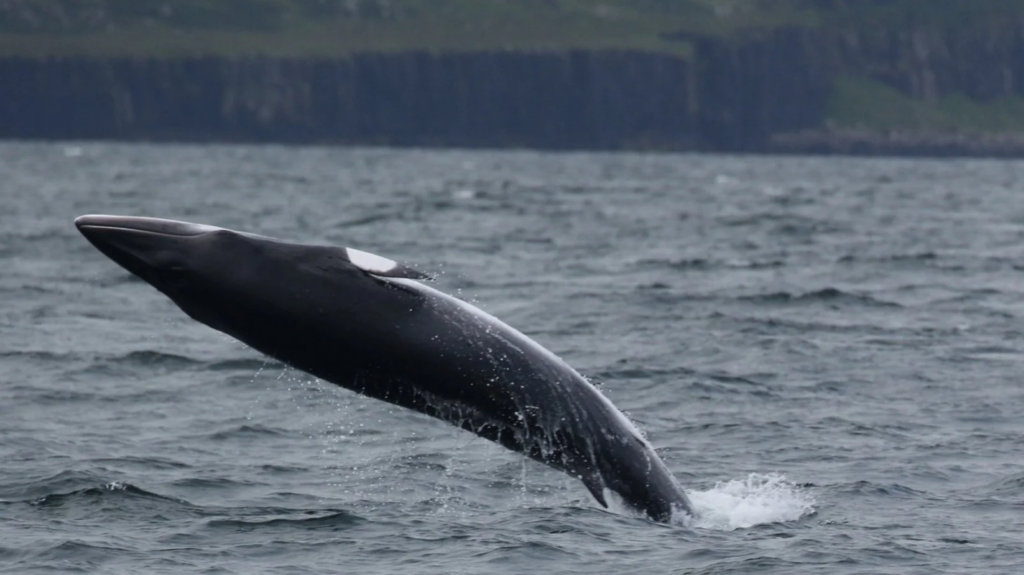
Protecting whales is about much more than preserving individual species.
Healthy whale populations contribute to:
- More productive marine ecosystems
- Stronger fisheries
- Greater biodiversity
- Improved ocean resilience
- Natural carbon storage
- Healthier coastal economies through responsible whale watching
When whale populations thrive, the benefits ripple throughout entire ecosystems, ultimately supporting the environmental systems that people depend on.
How Individuals Can Help Protect Whales
Conservation is a shared responsibility, and individual actions can contribute to healthier oceans.
Simple ways to support whale conservation include:
- Reducing single-use plastic consumption
- Choosing sustainably sourced seafood
- Supporting marine conservation organizations
- Respecting wildlife viewing guidelines
- Reducing your carbon footprint
- Learning about local marine ecosystems
- Sharing accurate information about whale conservation
While individual actions may seem small, collective efforts can make a meaningful difference over time.
The Future of Whales and Our Oceans
Growing scientific understanding has revealed just how interconnected whales are with ocean health and the global climate. Continued research, conservation efforts, and international cooperation are helping improve protections for many whale species, while also deepening our appreciation of their ecological importance.
Safeguarding whale populations is an investment in healthier oceans, more resilient ecosystems, and a more stable climate for future generations.
Protecting Ocean Giants Protects the Planet
Whales are far more than the largest animals in the sea—they are essential partners in maintaining the health of our planet. Through nutrient recycling, support of marine food webs, carbon storage, and the creation of habitats that sustain countless ocean species, these remarkable mammals help keep marine ecosystems functioning at their best.
Protecting whales means protecting the oceans that regulate Earth’s climate, provide food for billions of people, and support an extraordinary diversity of life. As our understanding of these ocean giants continues to grow, so does the recognition that their survival is closely tied to the health of the planet we all share.
Related Posts
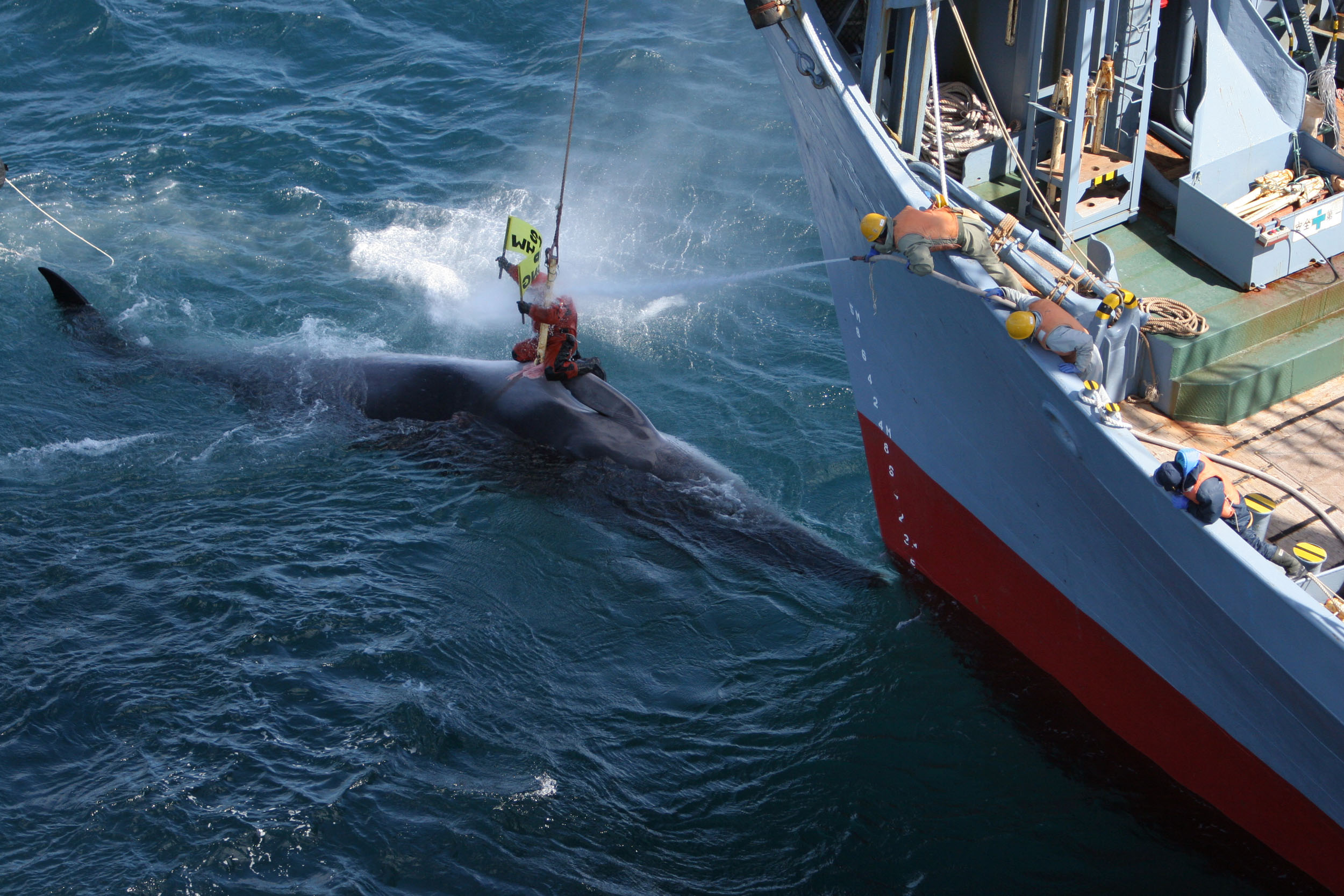
The Global Fight Against Whaling: Where Do We Stand Today?
For centuries, whales were hunted on an industrial scale for their oil, meat, and other…
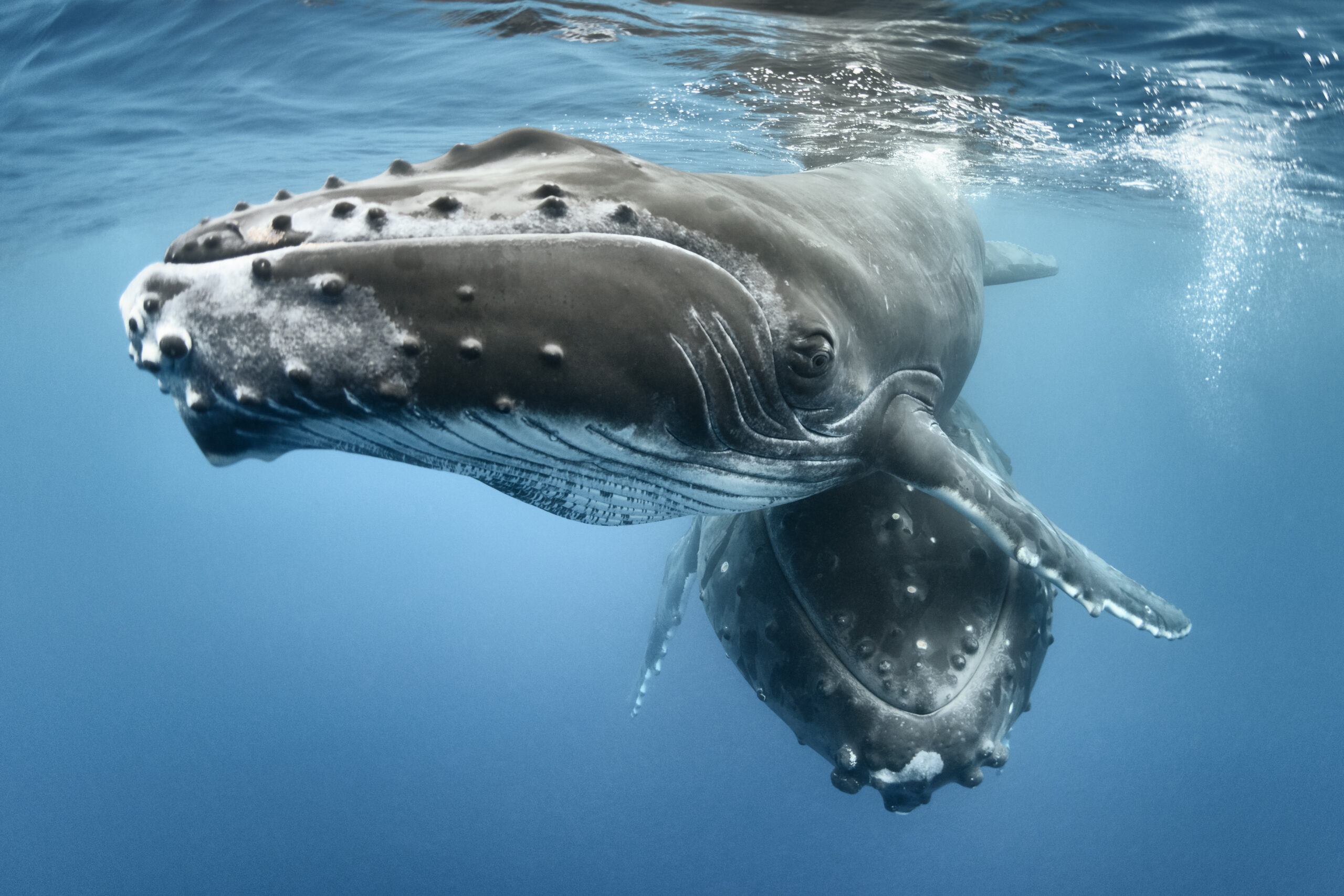
Meet the Whales: Fascinating Facts About the Ocean’s Most Extraordinary Mammals
Whales are among the most remarkable creatures on Earth. These ocean giants have captured human…
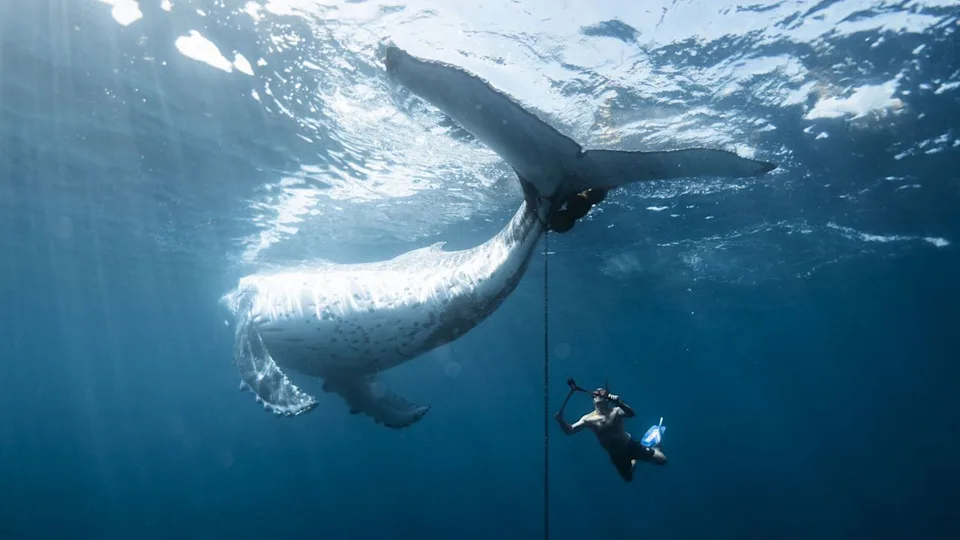
From Rescue to Release: Inspiring Stories of Whale Conservation Success
Across the world’s oceans, whales face challenges that can turn a routine journey into a…
Every Action Counts: Simple Ways You Can Help Protect Whales
Whales are some of the most extraordinary animals on Earth. These ocean giants help maintain…