

Whales are among the most remarkable creatures on Earth. These ocean giants have captured human imagination for centuries with their enormous size, complex behaviors, and mysterious underwater world. From the powerful blue whale—the largest animal known to have ever lived—to the highly intelligent orca, whales represent an incredible diversity of species adapted to life in the sea.
Although they spend their lives in the ocean, whales are not fish. They are mammals that breathe air, give birth to live young, and form complex social relationships. Their intelligence, communication skills, and long-distance migrations continue to amaze scientists and inspire conservation efforts around the world.
Discovering the fascinating world of whales reveals just how extraordinary these marine mammals truly are.
What Makes Whales Unique?
Whales belong to a group of marine mammals called cetaceans, which also includes dolphins and porpoises. Unlike fish, whales breathe through lungs and must come to the ocean surface to take in air.
Some key characteristics of whales include:
- They are warm-blooded mammals.
- They breathe air through blowholes.
- They give birth to live calves.
- They nurse their young with milk.
- They have specialized adaptations for life in water.
- They rely heavily on sound for communication and navigation.
Millions of years of evolution have transformed whales into some of the most highly adapted animals on the planet.
The Two Main Groups of Whales
Scientists divide whales into two major groups based on how they feed.
Baleen Whales: The Gentle Giants
Baleen whales do not have teeth. Instead, they have baleen plates made of a strong material called keratin, which allows them to filter food from the water.
They typically feed on:
- Krill
- Small fish
- Plankton
- Tiny marine organisms
Baleen whales include some of the largest animals on Earth.
Blue Whale: The Largest Animal Ever Known
The blue whale is the largest animal known to have existed, reaching lengths of around 80 to 100 feet and weighing more than many large aircraft.
Amazing blue whale facts include:
- Its heart is one of the largest in the animal kingdom.
- Its tongue can weigh as much as an elephant.
- It can consume several tons of food in a single day during feeding seasons.
- Its low-frequency calls can travel across enormous distances underwater.
Despite their massive size, blue whales mainly feed on tiny krill.
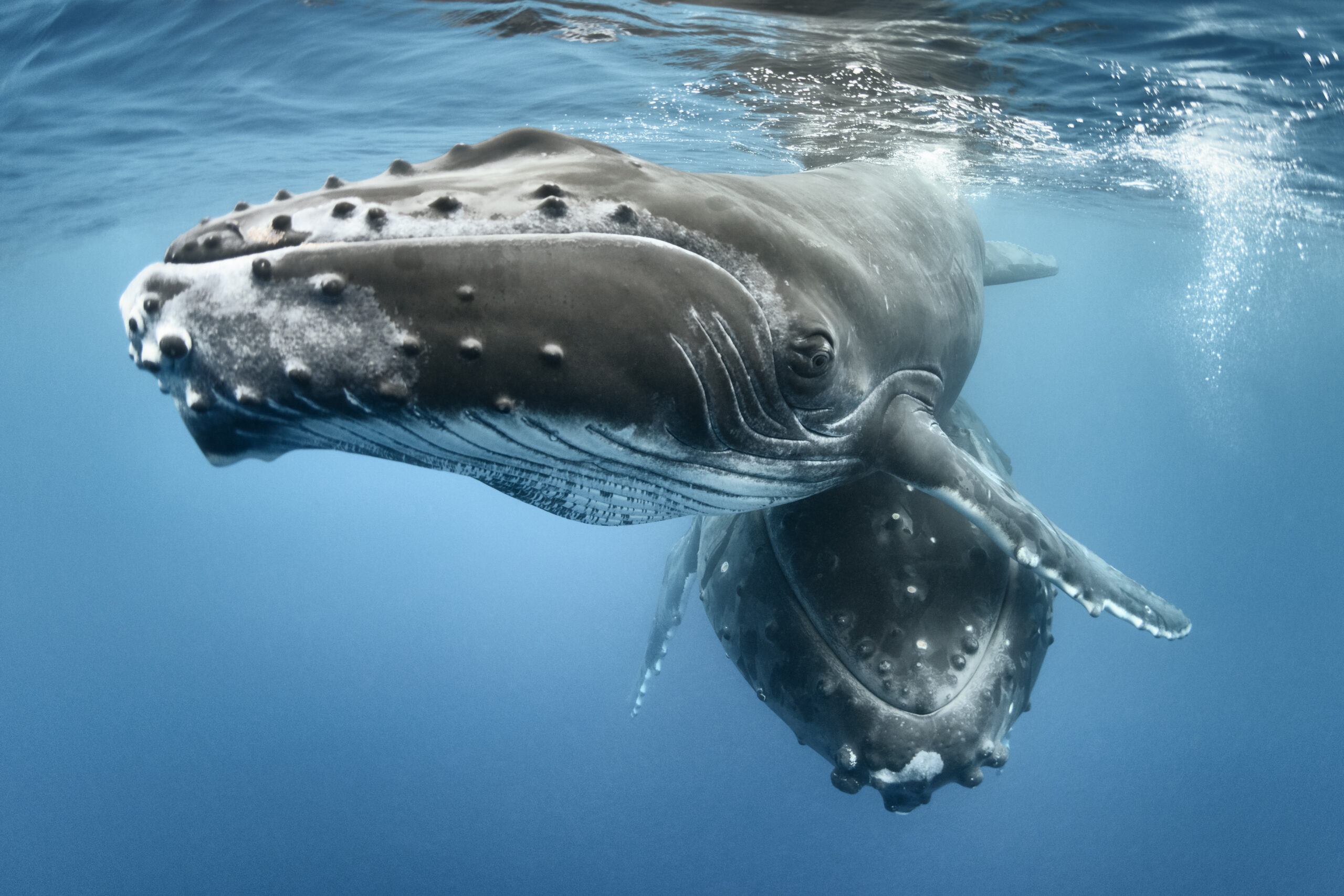
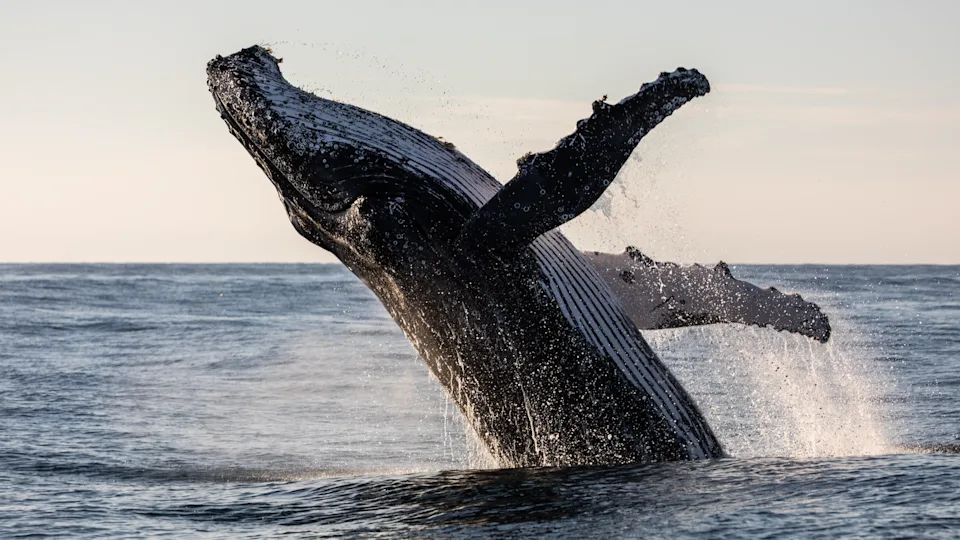
Humpback Whale: The Famous Singer
Humpback whales are known for their spectacular breaches, long migrations, and complex songs.
Their songs can:
- Last for hours
- Change over time
- Spread between whale populations
Scientists believe these songs play a role in communication and social behavior, especially among males.
Gray Whale: The Long-Distance Traveler
Gray whales are famous for one of the longest migrations of any mammal.
They travel thousands of miles between feeding grounds in colder waters and breeding areas in warmer regions.
During migration, they navigate through changing ocean conditions while relying on environmental cues and learned behaviors.
Toothed Whales: The Hunters of the Ocean
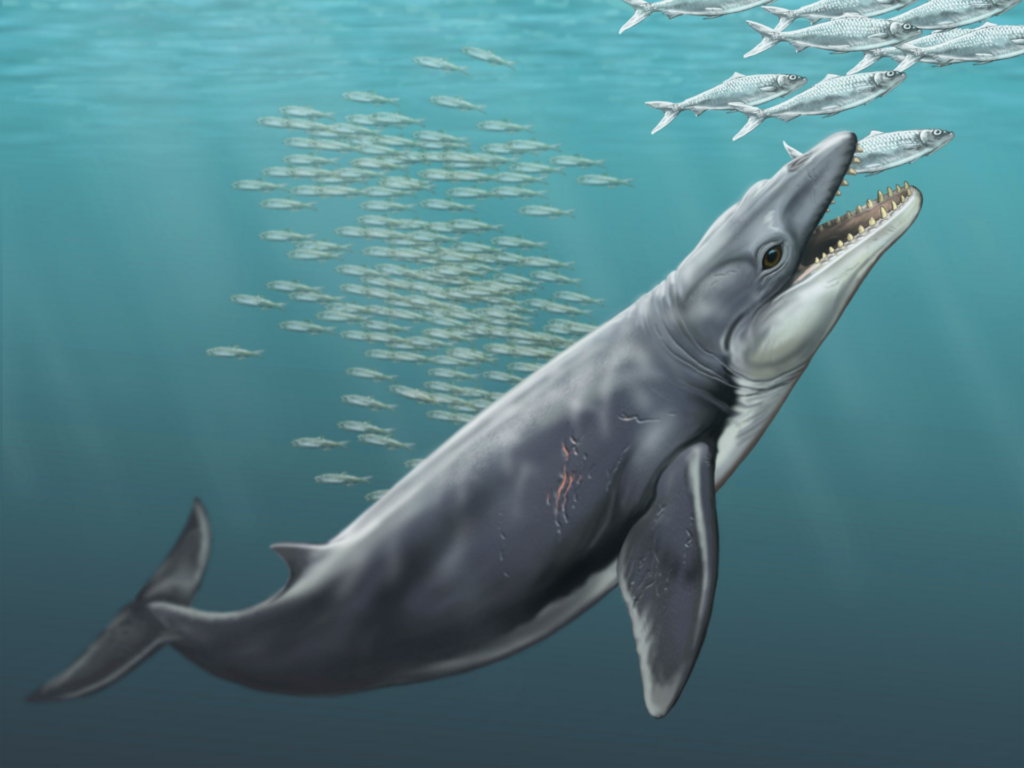
Toothed whales have teeth and use echolocation to find prey and navigate underwater.
This group includes:
- Sperm whales
- Orcas
- Beluga whales
- Narwhals
- Pilot whales
- Many dolphin species
Toothed whales are often highly social and display remarkable problem-solving abilities.
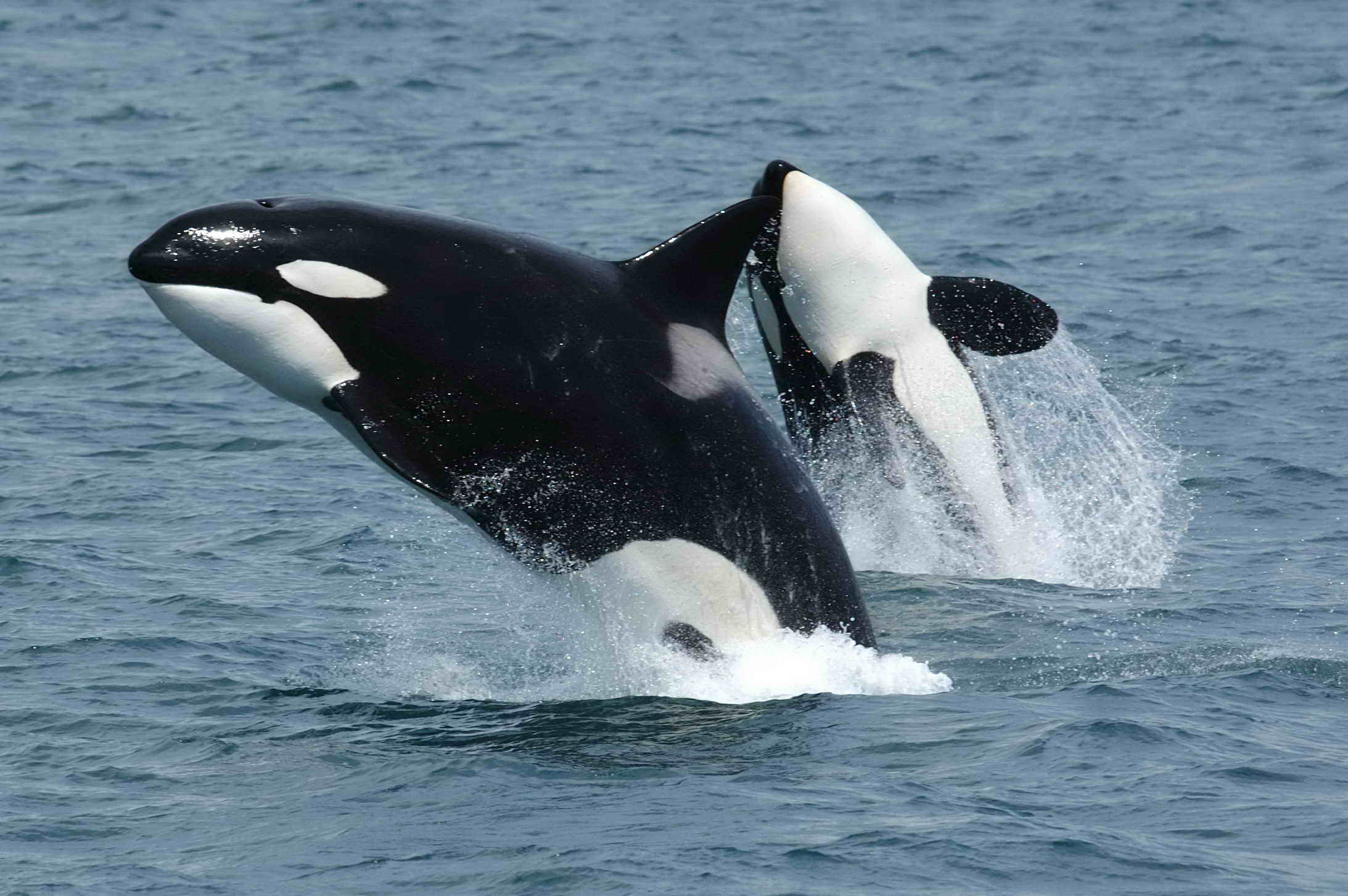
Orca: The Intelligent Apex Predator
Orcas, also known as killer whales, are among the most intelligent marine mammals.
They are known for:
- Complex hunting strategies
- Strong family bonds
- Distinct group behaviors
- Advanced communication skills
Different orca populations have unique hunting techniques and vocal patterns, suggesting the existence of cultural traditions passed between generations.
Sperm Whale: The Deep-Sea Explorer
Sperm whales are exceptional divers and hold records among marine mammals for their deep underwater abilities.
They can dive hundreds or even thousands of meters while hunting prey such as squid.
Their adaptations include:
- Large oxygen storage capacity
- Specialized body structures
- Powerful echolocation abilities
Sperm whales also have the largest brains of any animal on Earth, making them a major subject of research into marine intelligence.
The Incredible Intelligence of Whales
Whales are often considered some of the most intelligent animals on the planet.
Their intelligence can be seen through:
- Complex communication
- Social relationships
- Problem-solving abilities
- Learning behaviors
- Cooperation within groups
Many whale species live in stable social communities where individuals recognize family members and work together for survival.
Whale Communication: A World of Sound
Because light does not travel far underwater, whales rely heavily on sound to communicate.
Their underwater conversations can include:
- Songs
- Clicks
- Whistles
- Pulses
- Low-frequency calls
Different species use different communication methods.
Humpback Whale Songs
Humpback whale songs are among the most studied examples of animal communication.
Scientists have discovered that:
- Songs change gradually over time.
- Nearby populations can influence each other’s songs.
- Males often perform elaborate songs during breeding seasons.
These musical patterns provide insight into whale social structures and behavior.
Orca Dialects
Orca groups develop unique vocal patterns known as dialects.
These dialects can help researchers identify different populations and understand social relationships.
Young orcas learn these sounds from their family groups, demonstrating that communication behaviors can be culturally transmitted.
Amazing Whale Migrations
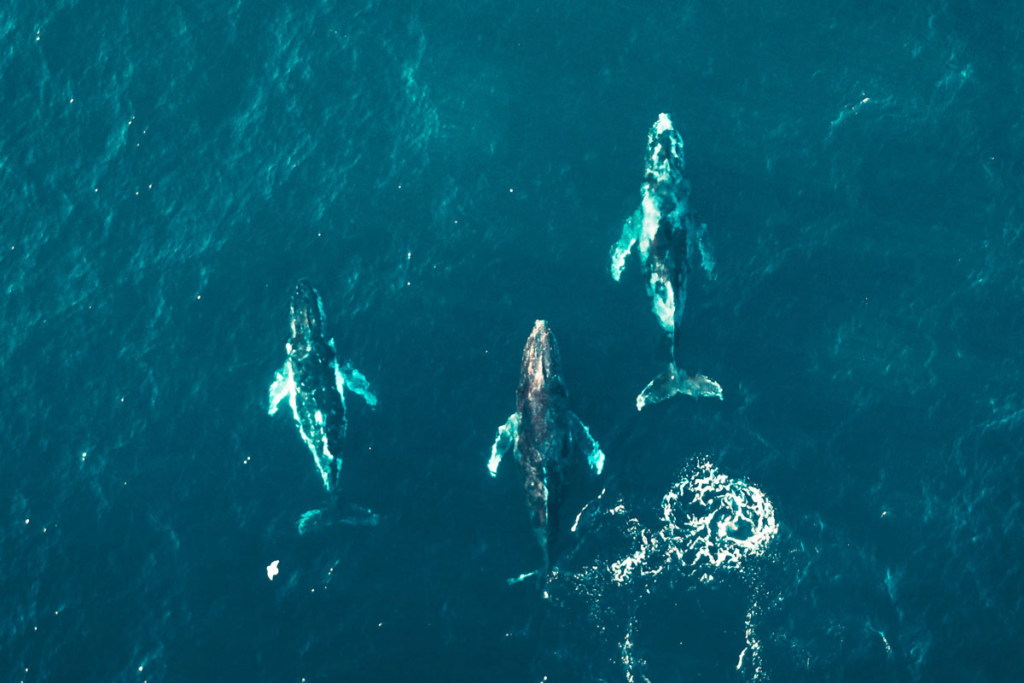
Many whale species undertake some of the longest migrations in the animal kingdom.
These journeys are driven by the need to find:
- Rich feeding areas
- Safe breeding grounds
- Suitable conditions for raising calves
Some whales travel thousands of miles each year between polar feeding areas and tropical breeding regions.
How Do Whales Navigate Across Oceans?
Scientists believe whales use multiple navigation methods, including:
- Earth’s magnetic field
- Ocean currents
- Sun and star positions
- Memory of migration routes
- Environmental signals
Older whales may pass knowledge of migration routes to younger generations, helping preserve important survival behaviors.
Unique Whale Behaviors
Whales display many behaviors that continue to surprise researchers.
Breaching
Breaching occurs when a whale launches part or all of its body out of the water before crashing back down.
Possible reasons include:
- Communication
- Removing parasites
- Social interaction
- Play behavior
Watching a massive whale leap from the ocean is one of the most unforgettable wildlife experiences.
Bubble-Net Feeding
Some humpback whales use a cooperative hunting strategy called bubble-net feeding.
The process involves:
- A group of whales circles beneath prey.
- They release bubbles to create a barrier.
- Fish are concentrated into a smaller area.
- The whales swim upward together with open mouths.
This behavior demonstrates impressive teamwork and coordination.
Spyhopping
Spyhopping occurs when a whale rises vertically in the water with its head above the surface.
Scientists believe whales may use this behavior to:
- Observe their surroundings
- Look at boats or objects nearby
- Communicate with other whales
Tail Slapping and Social Interaction
Whales sometimes slap their tails against the water, creating loud sounds that may communicate messages to other whales.
These behaviors show that whales use body movements as well as sounds to interact with one another.
The Importance of Protecting Whales
Whales are not only fascinating animals—they are essential parts of healthy ocean ecosystems.
They contribute by:
- Supporting marine food chains
- Recycling nutrients
- Helping maintain ocean biodiversity
- Playing a role in natural carbon cycles
However, whales continue to face threats such as:
- Climate change
- Ocean pollution
- Fishing gear entanglement
- Ship collisions
- Habitat disruption
Protecting whales helps preserve the balance of marine ecosystems and supports the health of the oceans.
A Deeper Appreciation for Ocean Giants
Whales remind us how much remains to be discovered about life beneath the waves. Their intelligence, communication, migrations, and social relationships reveal a level of complexity that challenges our understanding of animal behavior.
From the smallest toothed whales to the enormous blue whale, each species plays a unique role in the ocean environment. By learning more about these extraordinary mammals, we gain a greater appreciation for the oceans and the incredible creatures that depend on them.
Whales are more than ocean giants—they are intelligent, social, and essential members of our planet’s natural world. Protecting them ensures that future generations will continue to marvel at these magnificent animals for years to come.
Related Posts
Why Whales Matter: The Ocean Giants That Help Protect Our Planet
Whales are among the largest and most fascinating animals on Earth. From the enormous blue…
The Global Fight Against Whaling: Where Do We Stand Today?
For centuries, whales were hunted on an industrial scale for their oil, meat, and other…
From Rescue to Release: Inspiring Stories of Whale Conservation Success
Across the world’s oceans, whales face challenges that can turn a routine journey into a…

Every Action Counts: Simple Ways You Can Help Protect Whales
Whales are some of the most extraordinary animals on Earth. These ocean giants help maintain…