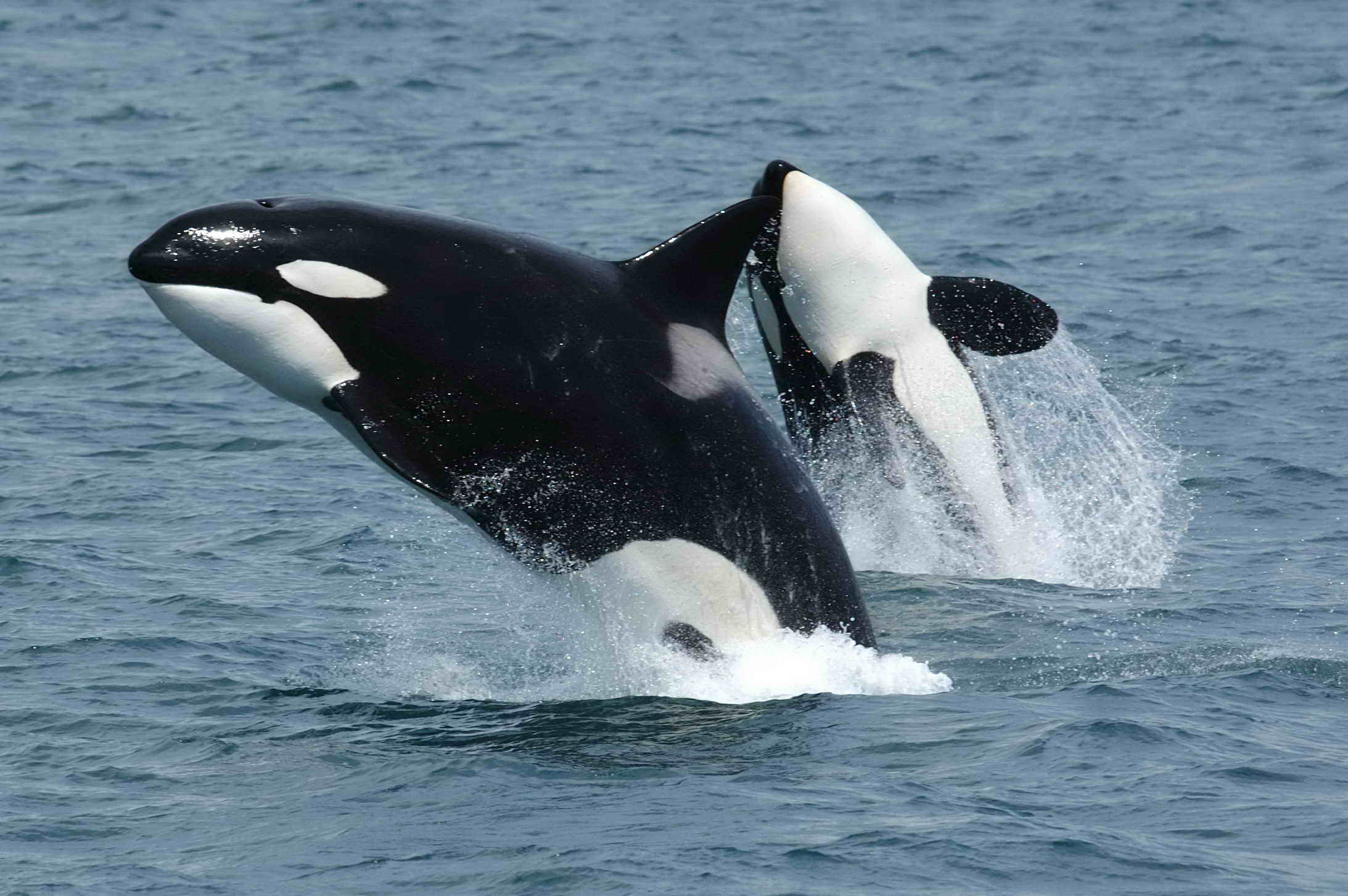

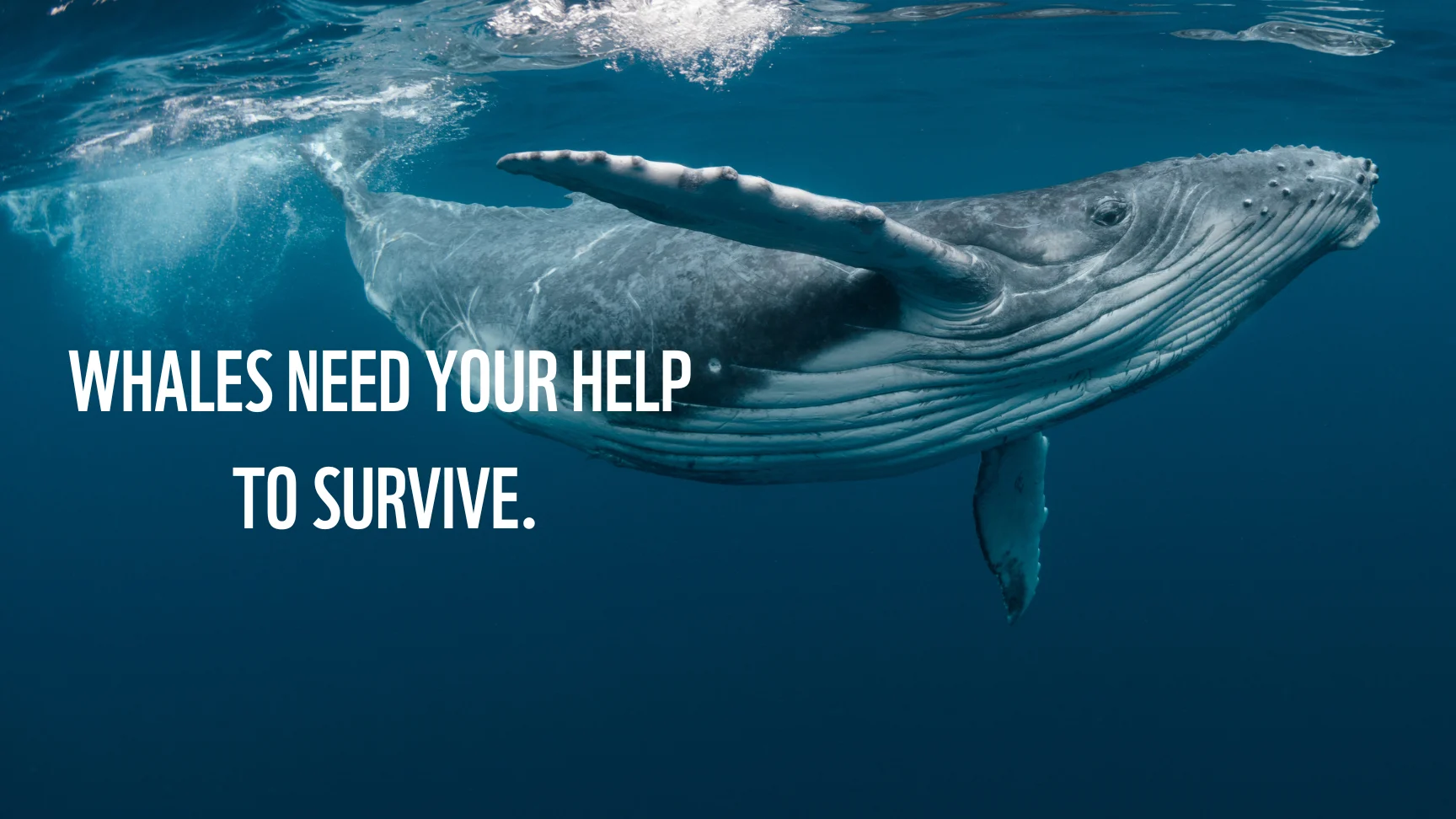
Whales are some of the most extraordinary animals on Earth. These ocean giants help maintain healthy marine ecosystems, inspire scientific discovery, and remind us of the incredible diversity of life beneath the waves. However, whales continue to face serious challenges, including pollution, climate change, fishing gear entanglement, ship collisions, and habitat disruption.
While many of these issues may seem too large for one person to solve, individual choices can create meaningful change. Protecting whales is not only the responsibility of scientists, governments, and conservation organizations—it is something everyone can contribute to through everyday actions.
From making sustainable purchasing decisions to reducing plastic waste and supporting responsible wildlife tourism, small steps can help create healthier oceans for whales and countless other marine species.
Why Individual Actions Matter for Whale Conservation
The challenges facing whales are global, but solutions often begin with local decisions.
The products we buy, the waste we create, and the activities we support can influence ocean health. When millions of people make environmentally responsible choices, the collective impact can be significant.
Individual actions can help by:
- Reducing pollution entering marine environments
- Supporting businesses with sustainable practices
- Funding conservation efforts
- Encouraging stronger environmental policies
- Promoting awareness about whale protection
Every positive choice contributes to a larger movement to protect ocean ecosystems.
Make Sustainable Consumer Choices

Many products and services are connected to the health of the oceans. Choosing responsibly produced goods can help reduce pressure on marine environments.
Choose Sustainable Seafood
Fishing practices can affect whales and other marine animals, especially when fishing gear creates risks of entanglement.
When purchasing seafood, consider:
- Choosing seafood from responsible sources
- Learning about local fishing practices
- Supporting fisheries that reduce bycatch
- Avoiding species harvested through damaging methods
Sustainable seafood choices help protect marine ecosystems while supporting fishing communities that prioritize ocean health.
Reduce Your Carbon Footprint
Climate change affects whales by changing ocean temperatures, food availability, and migration patterns.
Reducing your carbon footprint can support ocean conservation.
Helpful actions include:
- Using energy more efficiently
- Walking, cycling, or using public transportation when possible
- Reducing unnecessary consumption
- Choosing renewable energy options where available
- Supporting climate-friendly policies
A healthier climate helps create more stable ocean environments for whales and other marine life.
Support Ocean-Friendly Products
Many everyday products eventually affect marine ecosystems.
Consider choosing:
- Reusable items instead of disposable products
- Products with minimal packaging
- Environmentally responsible cleaning products
- Clothing made with sustainable materials
Thoughtful purchasing decisions reduce the amount of waste and pollution that reaches the ocean.
Reduce Plastic Pollution
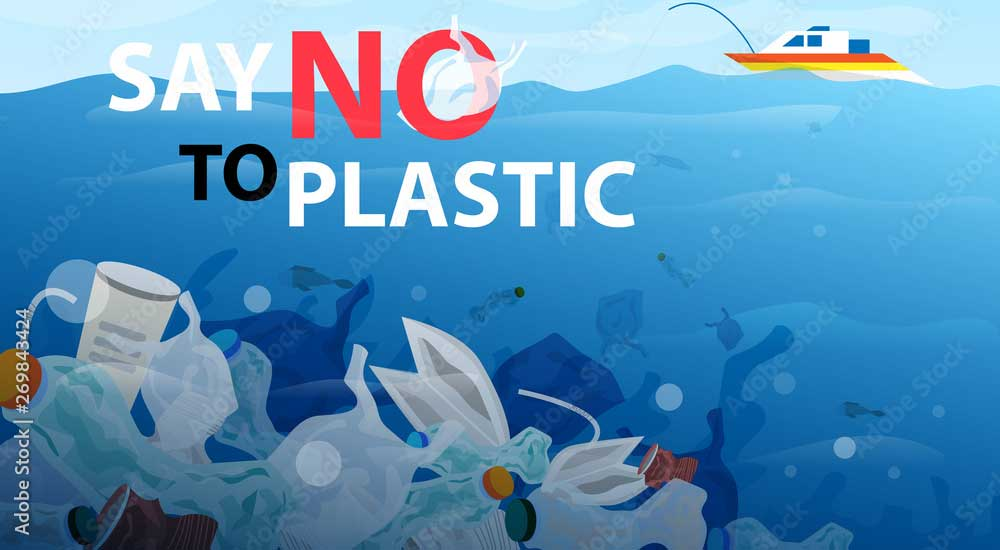
Plastic pollution is one of the most visible threats facing marine environments.
Whales and other ocean animals can be affected when plastic enters their habitats. They may become entangled in debris or accidentally consume plastic materials.
Simple Ways to Use Less Plastic
You can reduce plastic waste by:
- Carrying a reusable water bottle
- Using reusable shopping bags
- Avoiding single-use plastic items
- Choosing products with less packaging
- Recycling properly when facilities are available
- Participating in local clean-up events
Small daily habits can prevent large amounts of waste from reaching rivers and oceans.
Dispose of Fishing and Outdoor Equipment Responsibly
Fishing lines, nets, and other equipment can pose serious risks to whales and marine wildlife.
If you fish or spend time near the water:
- Dispose of equipment properly
- Never leave fishing gear behind
- Report abandoned gear when possible
- Follow local wildlife protection guidelines
Preventing marine debris is one of the most direct ways to reduce risks for whales.
Support Whale Conservation Organizations
Conservation organizations play an important role in protecting whales through research, rescue efforts, education, and advocacy.
Supporting these groups helps fund activities such as:
- Whale population research
- Rescue operations
- Habitat protection
- Public education programs
- Policy development
- Ocean conservation projects
Ways to Support Conservation Efforts
You can contribute by:
- Donating to reputable organizations
- Volunteering for environmental projects
- Participating in awareness campaigns
- Sharing conservation information
- Supporting scientific research initiatives
Even small contributions can help organizations continue important work.
Become an Ocean Advocate
One of the easiest ways to help whales is to spread awareness.
You can:
- Share educational resources
- Talk with friends and family about ocean protection
- Encourage sustainable choices
- Support policies that protect marine environments
A more informed public creates stronger support for conservation efforts.
Practice Responsible Whale Watching
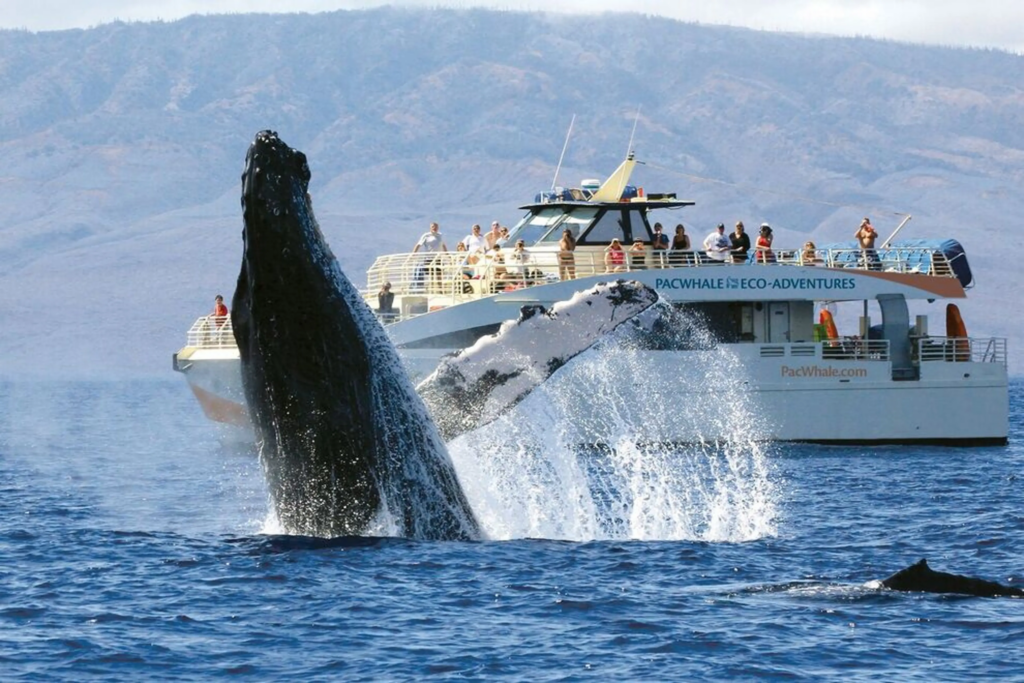
Whale watching can create unforgettable experiences and help people appreciate marine wildlife. When done responsibly, it can also support conservation by creating economic incentives to protect whale populations.
However, irresponsible tourism can disturb whales and interfere with natural behaviors.
Choose Responsible Whale Watching Operators
Before booking a whale watching trip, look for operators that:
- Follow wildlife protection guidelines
- Maintain safe distances from whales
- Avoid chasing or surrounding animals
- Educate passengers about conservation
- Respect seasonal restrictions
Responsible operators prioritize the well-being of whales over close encounters.
Respect Whale Behavior
During whale watching, remember that you are entering their environment.
Good practices include:
- Keeping a safe distance
- Avoiding sudden approaches
- Remaining quiet when appropriate
- Never attempting to touch or feed whales
- Following instructions from trained guides
A respectful encounter allows whales to behave naturally while giving people the opportunity to observe them safely.
Protect Whales by Protecting the Ocean
Whale conservation is closely connected to overall ocean health.
Actions that benefit whales also support:
- Fish populations
- Coral and coastal ecosystems
- Seabirds
- Marine mammals
- Human communities that depend on healthy oceans
Protecting whales means addressing the broader environmental challenges affecting marine life.
Learn and Share Knowledge About Whales
Education is one of the most powerful conservation tools.
Learning about whales helps people understand:
- Their role in ocean ecosystems
- The threats they face
- The importance of conservation
- How human actions affect marine environments
Sharing knowledge encourages others to make choices that benefit the ocean.
You can help by:
- Reading about marine conservation
- Visiting aquariums or educational centers
- Watching documentaries about ocean life
- Teaching children about wildlife protection
Inspiring curiosity and respect for nature helps create future generations of ocean advocates.
Support Policies That Protect Marine Life
Individual choices are important, but large-scale environmental progress also depends on strong conservation policies.
People can contribute by:
- Staying informed about ocean-related issues
- Supporting science-based conservation measures
- Participating in community discussions
- Encouraging leaders to prioritize marine protection
Public support plays an important role in shaping decisions that affect whale populations and ocean ecosystems.
Small Steps Create Big Change
Protecting whales may seem like a challenge that requires enormous resources and global action, but meaningful conservation begins with everyday choices.
A reusable bottle, a responsible travel decision, a sustainable purchase, or a conversation about ocean health may seem small on its own. Together, however, these actions create a powerful movement toward healthier oceans.
Whales have survived dramatic changes throughout Earth’s history, but their future depends increasingly on the choices humans make today.
A Future Where Whales Thrive
Whale conservation is not only about protecting magnificent animals—it is about protecting the oceans that support life on our planet. Healthy whale populations are connected to balanced marine ecosystems, cleaner oceans, and a more sustainable future.
Everyone has a role to play. By making thoughtful choices, reducing pollution, supporting conservation efforts, and respecting marine wildlife, we can help ensure that whales continue to travel through the world’s oceans for generations to come.
Every action counts, and together, those actions can make a difference.
Related Posts
Why Whales Matter: The Ocean Giants That Help Protect Our Planet
Whales are among the largest and most fascinating animals on Earth. From the enormous blue…
The Global Fight Against Whaling: Where Do We Stand Today?
For centuries, whales were hunted on an industrial scale for their oil, meat, and other…
Meet the Whales: Fascinating Facts About the Ocean’s Most Extraordinary Mammals
Whales are among the most remarkable creatures on Earth. These ocean giants have captured human…
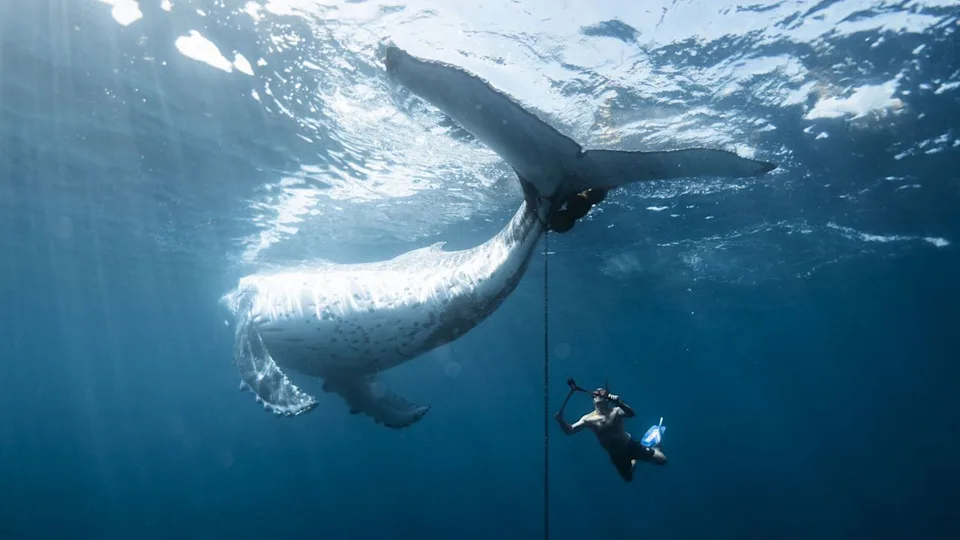
From Rescue to Release: Inspiring Stories of Whale Conservation Success
Across the world’s oceans, whales face challenges that can turn a routine journey into a…