
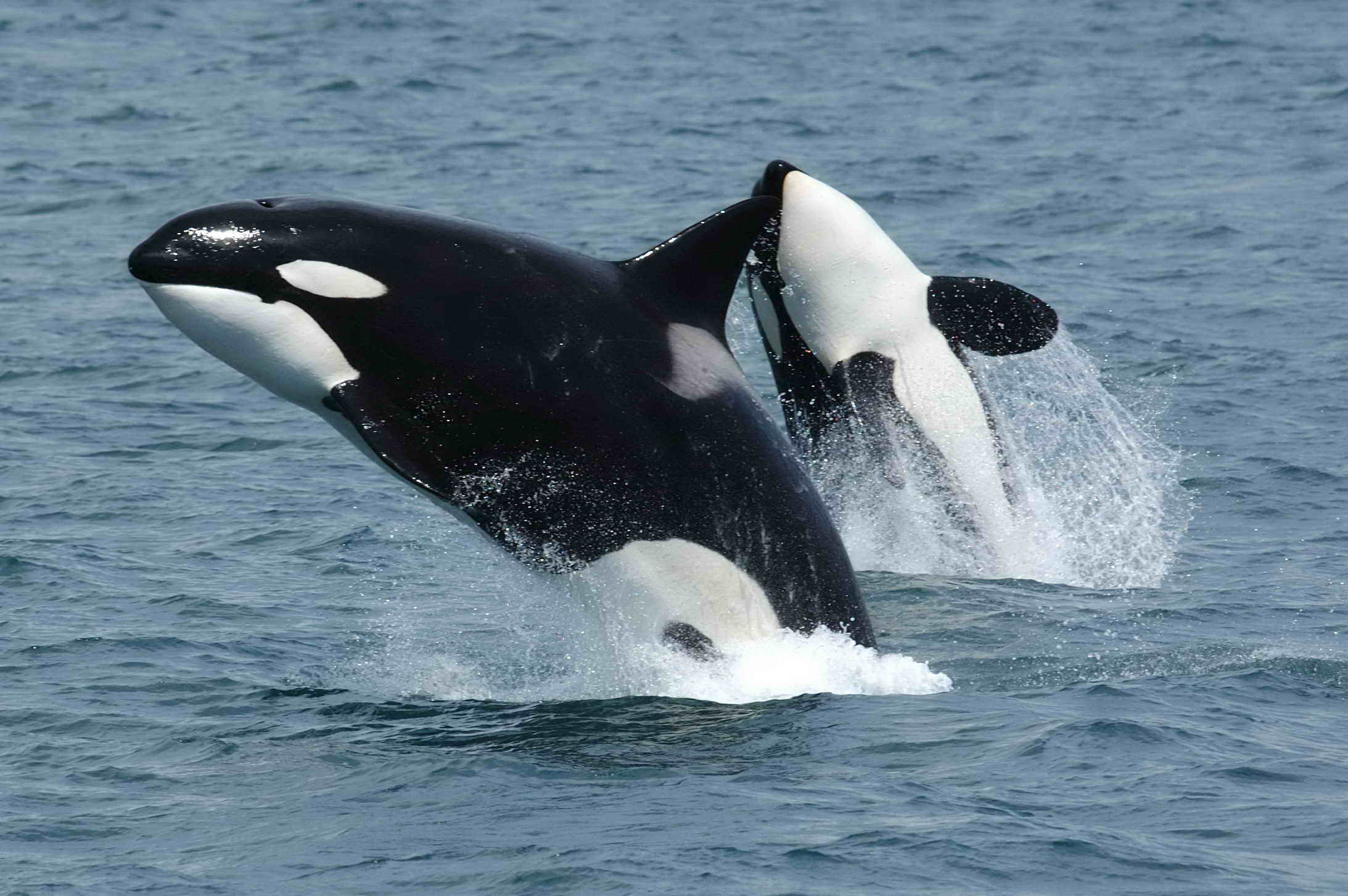

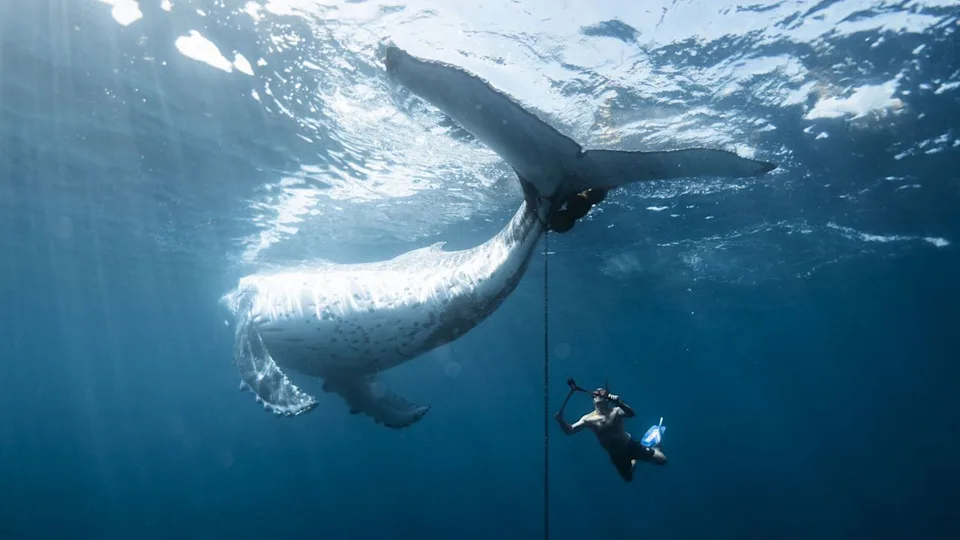
Across the world’s oceans, whales face challenges that can turn a routine journey into a fight for survival. Entanglement in fishing gear, injuries from ship strikes, pollution, and changing ocean conditions have placed many whale populations under pressure. Yet alongside these challenges are stories of determination, cooperation, and hope.
Every successful whale rescue represents the combined efforts of scientists, conservation teams, local communities, and volunteers working together to protect some of the planet’s most extraordinary animals. From freeing trapped whales in open waters to rehabilitating stranded individuals and returning them to the sea, these efforts demonstrate what is possible when people commit to protecting marine life.
The journey from rescue to release is not always simple, but each success provides valuable lessons about compassion, science, and the importance of preserving healthy oceans.
The Challenges Facing Whales in the Modern Ocean
Whales have evolved to survive in vast marine environments, but human activity has created new dangers that they did not face for thousands of years.
Common threats include:
- Entanglement in fishing ropes and nets
- Collisions with large ships
- Ocean pollution
- Underwater noise
- Habitat changes caused by climate change
- Food shortages linked to changing ecosystems
Many of these dangers are difficult to detect because they occur far from shore. When a whale becomes injured or trapped, rescue teams often have only a limited amount of time to respond.
The Race to Rescue Entangled Whales
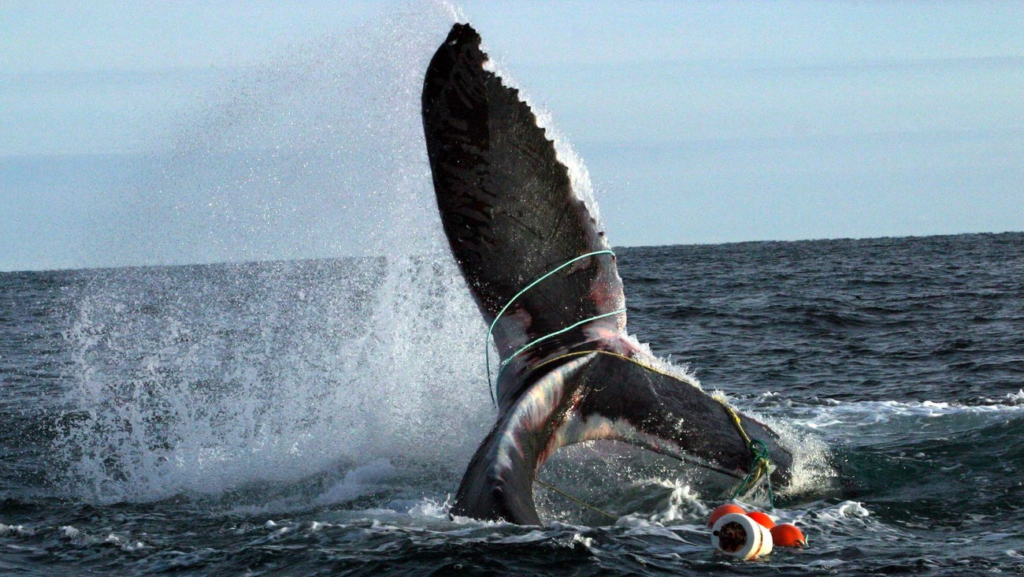
One of the most dramatic forms of whale conservation involves rescuing animals caught in fishing gear.
Large whales can become wrapped in ropes, nets, and other equipment, restricting their movement and causing serious injuries. Entangled whales may struggle to feed, migrate, or breathe properly.
A Complex and Dangerous Mission
Whale rescue operations require specialized skills and careful planning.
A typical rescue may involve:
- Locating the whale and assessing its condition.
- Identifying how the animal is trapped.
- Approaching carefully to avoid causing additional stress.
- Cutting away sections of the gear.
- Monitoring the whale after release.
Rescue teams must balance urgency with caution. A frightened whale can weigh many tons and move unpredictably, making every operation challenging.
The Work of Specialized Rescue Teams
Organizations around the world have developed specialized response teams trained to handle marine animal emergencies.
These teams use:
- Tracking technology
- Specialized cutting tools
- Small response vessels
- Aerial observations
- Veterinary expertise
- Detailed rescue protocols
Their work often involves long hours at sea, difficult weather conditions, and uncertain outcomes.
The Story of Hope: Returning Stranded Whales to the Ocean
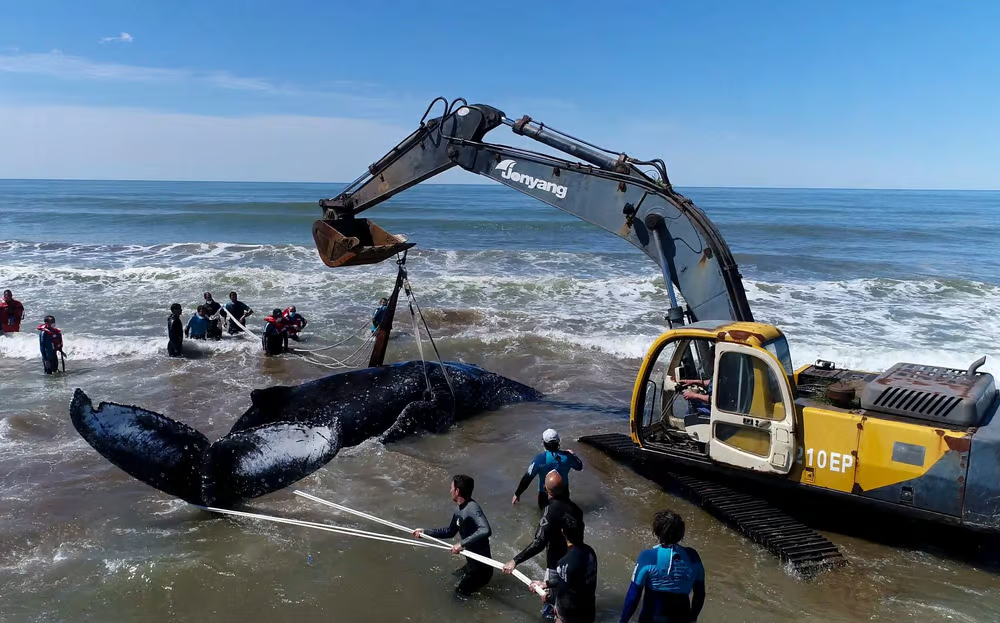
Not all whale rescues happen at sea. Sometimes whales become stranded along coastlines, creating urgent situations that require immediate action.
Strandings can happen for many reasons, including:
- Illness
- Injury
- Navigation problems
- Social behavior
- Environmental changes
When a whale is found stranded, rescue teams focus on keeping the animal stable while preparing for a possible return to the water.
The Rescue Process
A successful stranding response may include:
- Keeping the whale’s skin moist
- Supporting its body weight
- Monitoring breathing and vital signs
- Providing medical care when possible
- Coordinating a safe release location
Every rescue is different, and outcomes depend on factors such as the whale’s health, species, size, and how long it has been stranded.
Rehabilitation: Giving Whales a Second Chance
Some rescued whales require more than immediate assistance. They may need rehabilitation before they can safely return to the ocean.
Rehabilitation programs focus on:
- Treating injuries
- Improving strength and health
- Reducing stress
- Monitoring behavior
- Preparing the animal for independence
The goal is not simply to save a whale—it is to give it the ability to survive once it returns to its natural environment.
Lessons from Successful Whale Conservation Efforts
Each rescue provides more than a single animal’s survival story. It also creates knowledge that improves future conservation efforts.
Lesson 1: Collaboration Saves Lives
Whale conservation depends on cooperation between many groups.
Successful responses often involve:
- Marine biologists
- Government agencies
- Fishermen
- Local communities
- Veterinarians
- Conservation organizations
- Volunteers
No single group can address the challenges facing whales alone.
Lesson 2: Prevention Is Just as Important as Rescue
While rescue operations capture public attention, preventing emergencies before they happen is one of the most effective conservation strategies.
Prevention efforts include:
- Modifying fishing equipment
- Creating safer shipping practices
- Reducing ocean pollution
- Protecting important habitats
- Educating communities about marine wildlife
A whale that never becomes trapped does not need a rescue.
Lesson 3: Science Improves Conservation
Modern whale conservation relies heavily on scientific research.
Researchers use tools such as:
- Satellite tracking
- Photo identification
- Acoustic monitoring
- Population studies
- Health assessments
This information helps identify migration routes, understand threats, and create better protection strategies.
Inspiring Recovery Stories from Around the World
While every rescue is unique, many share the same message: recovery is possible when people act quickly and work together.
Entangled Whales Freed After Long Struggles
Across different oceans, rescue teams have successfully freed whales that survived weeks or months carrying dangerous fishing gear.
These rescues often reveal the incredible resilience of whales. Some animals continue migrating and feeding after being released, showing the strength and adaptability of these marine giants.
Humpback Whale Population Recoveries
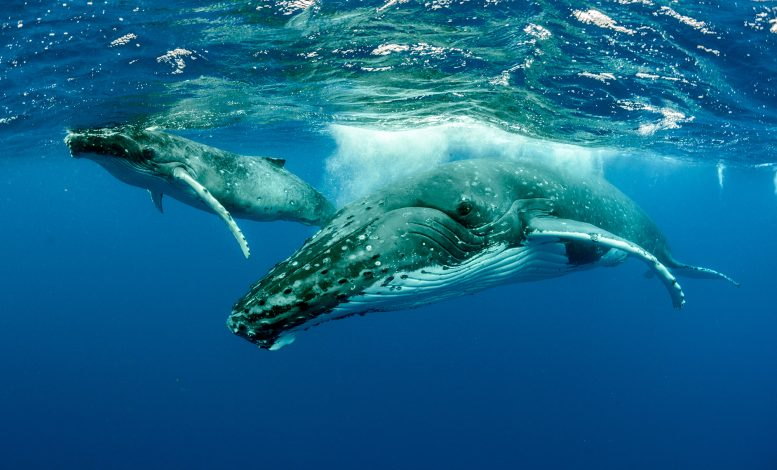
Humpback whales provide one of conservation’s most encouraging examples.
After decades of heavy commercial hunting, many humpback populations have experienced significant recovery following international protections.
Their comeback demonstrates that conservation measures can work when threats are reduced and populations are given time to recover.
Community-Led Conservation Success
In many coastal regions, local communities have become important partners in protecting whales.
Fishermen, boat operators, and residents often provide the first reports of injured or stranded whales. Their knowledge of local waters can make the difference between a successful rescue and a missed opportunity.
The Emotional Impact of Whale Rescues
Whale rescues often capture public attention because they create powerful connections between people and wildlife.
Seeing a whale return to the ocean after a difficult rescue reminds us that conservation is not only about science—it is also about empathy and responsibility.
These stories inspire people to:
- Learn about ocean protection
- Support conservation efforts
- Make environmentally responsible choices
- Appreciate the importance of marine ecosystems
A single rescued whale can become a symbol of hope for an entire species.
How Everyone Can Support Whale Conservation
People do not need to be marine scientists to contribute to whale protection.
Simple actions can help:
- Reduce plastic waste
- Choose sustainable seafood options
- Support ocean conservation programs
- Follow responsible wildlife viewing practices
- Reduce energy use and carbon emissions
- Share accurate information about marine conservation
Small choices made by millions of people can create meaningful change.
The Future of Whale Conservation
Whale rescue stories show both the challenges and possibilities of protecting marine life. While threats remain, conservation successes prove that progress is possible.
The future of whale protection will depend on combining emergency response with long-term solutions, including habitat protection, sustainable industries, scientific research, and public awareness.
Every whale returned safely to the ocean represents more than one successful rescue. It represents cooperation, knowledge, and a commitment to protecting the natural world.
From Survival Stories to Conservation Success
The journey from rescue to release is a reminder of the connection between humans and the ocean. Whales travel across international waters, linking ecosystems and communities around the globe.
Their survival depends not only on rescue teams responding to emergencies but also on society addressing the causes behind those emergencies.
The stories of rescued whales show that conservation can make a difference. With continued effort, innovation, and compassion, these magnificent ocean giants can continue to thrive for generations to come.
Related Posts
Why Whales Matter: The Ocean Giants That Help Protect Our Planet
Whales are among the largest and most fascinating animals on Earth. From the enormous blue…
The Global Fight Against Whaling: Where Do We Stand Today?
For centuries, whales were hunted on an industrial scale for their oil, meat, and other…
Meet the Whales: Fascinating Facts About the Ocean’s Most Extraordinary Mammals
Whales are among the most remarkable creatures on Earth. These ocean giants have captured human…
Every Action Counts: Simple Ways You Can Help Protect Whales
Whales are some of the most extraordinary animals on Earth. These ocean giants help maintain…