

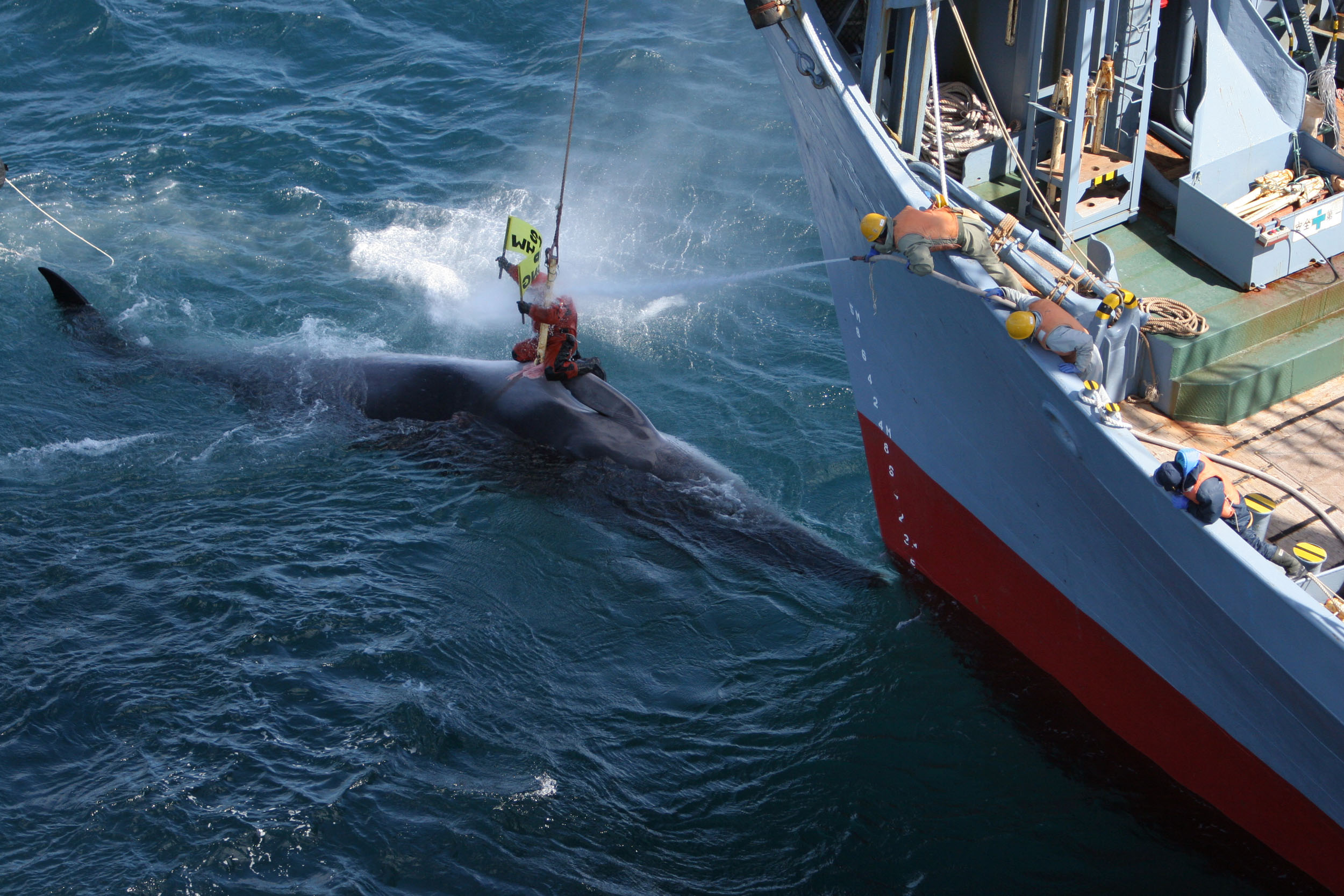
For centuries, whales were hunted on an industrial scale for their oil, meat, and other products. This widespread exploitation pushed many whale populations close to collapse and transformed global attitudes toward marine conservation. Today, the fight to protect whales continues—but the challenges have evolved.
While large-scale commercial whaling has declined significantly since the 20th century, debates over hunting, conservation, and sustainable use remain active. Some countries continue commercial whaling, while international organizations and conservation groups work to strengthen protections for whale populations worldwide.
The modern conservation movement is no longer focused only on stopping hunting. It also addresses broader threats such as ship collisions, fishing gear entanglement, ocean pollution, climate change, and habitat disruption.
So where does the global fight against whaling stand today?
A Brief History of Global Whaling
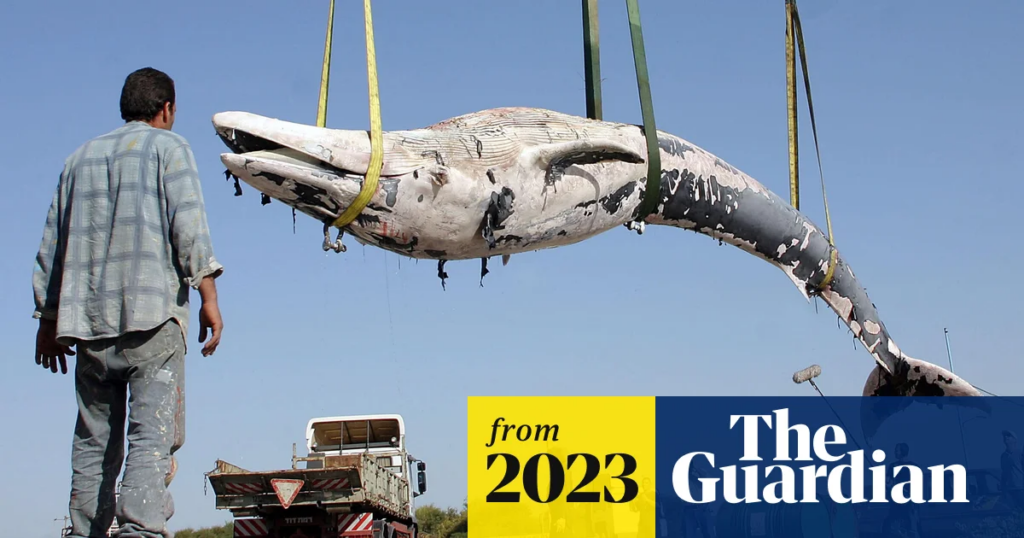
Whaling expanded dramatically during the 19th and 20th centuries as advances in technology allowed fleets to hunt whales farther from shore and in greater numbers.
Whales were targeted for products such as:
- Lamp oil from whale blubber
- Meat for human consumption
- Industrial lubricants
- Cosmetics and other commercial products
Several species experienced severe population declines, including:
- Blue whales
- Fin whales
- Right whales
- Humpback whales
- Sperm whales
Growing scientific concern and public pressure eventually led to international efforts to regulate hunting and protect vulnerable populations.
The Creation of International Whaling Regulations
The main international body responsible for managing whaling and promoting whale conservation is the International Whaling Commission (IWC). Established in 1946, the organization originally focused on regulating commercial whaling but has expanded its work to include broader conservation issues such as bycatch, ship strikes, ocean noise, pollution, and whale welfare.
The Commercial Whaling Moratorium
One of the most important milestones in whale conservation came in 1982, when the IWC adopted a moratorium on commercial whaling. The measure effectively paused commercial whaling for most member countries beginning with the 1985–1986 season.
The moratorium remains one of the most significant international conservation actions ever taken for marine mammals.
Its goals include:
- Allowing depleted whale populations to recover
- Reducing pressure on vulnerable species
- Supporting scientific research
- Creating a framework for sustainable management
However, the moratorium has not ended all whale hunting.
Current Whaling Activities Around the World
Today, commercial whaling continues in a small number of countries, while some Indigenous communities practice subsistence whaling under separate provisions.
Norway
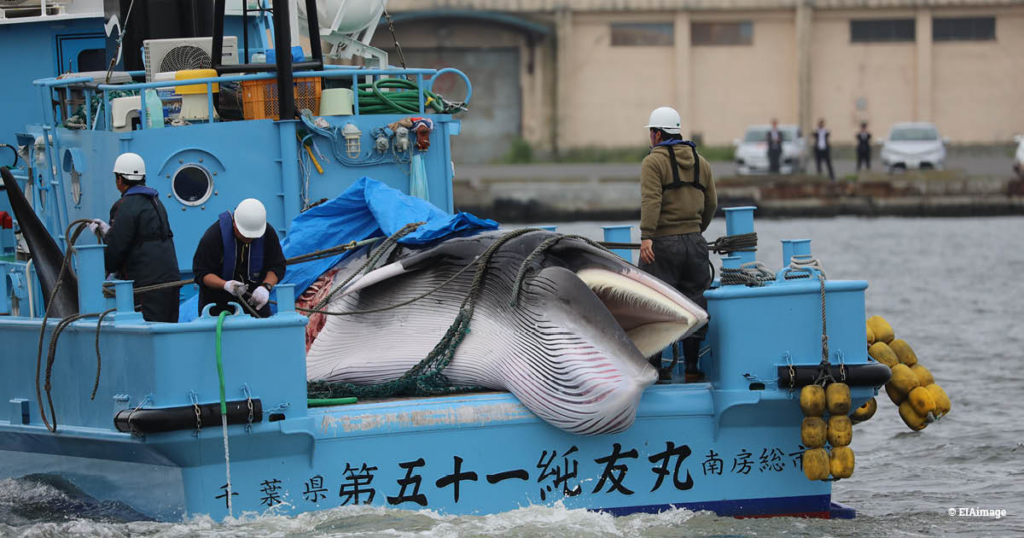
Norway continues commercial whaling despite the IWC moratorium. The country registered an objection when the moratorium was introduced and manages its own commercial catch limits, primarily targeting North Atlantic minke whales.
Supporters of Norwegian whaling argue that certain whale populations can support regulated hunting. Critics argue that continued commercial hunting undermines international conservation efforts.
Iceland
Iceland has also continued commercial whaling under a reservation to the moratorium. The country has historically hunted species including minke whales and fin whales.
Whaling remains controversial within and outside Iceland, particularly as demand for whale products has declined and conservation concerns continue.
Japan
Japan withdrew from the IWC in 2019 and resumed commercial whaling after leaving the organization. Japanese whaling activities now take place within its own waters and are reported separately from IWC-regulated commercial catches.
Japan maintains that its whaling activities are based on sustainable use principles, while many conservation organizations oppose the practice and argue that commercial hunting threatens whale recovery.
Indigenous Subsistence Whaling
Not all whale hunting falls into the category of commercial whaling.
The IWC recognizes Indigenous subsistence whaling, which allows certain communities to hunt whales for cultural, nutritional, and traditional reasons.
These hunts are managed differently because they are connected to:
- Traditional practices
- Community food systems
- Cultural identity
- Local needs
Regulations aim to balance cultural preservation with the long-term conservation of whale populations.
The Changing Focus of Whale Conservation
Protecting whales today involves much more than regulating hunting.
Many scientists and conservation organizations now focus on a wider range of threats affecting whale survival.
Fishing Gear Entanglement
One of the most significant threats facing whales is becoming trapped in fishing equipment.
Entanglement can cause:
- Injuries
- Reduced ability to feed
- Exhaustion
- Drowning
- Long-term population impacts
Reducing this threat requires cooperation between conservation groups, fishing industries, and governments.
Ship Strikes
As global shipping increases, collisions between vessels and whales have become a major conservation concern.
Large whales are particularly vulnerable because they often travel through busy shipping areas.
Solutions include:
- Adjusting shipping routes
- Reducing vessel speeds
- Improving whale detection systems
- Creating protected marine areas
The IWC has identified vessel strikes as a major global and transboundary issue requiring coordinated action.
Climate Change
Climate change is creating new challenges for whale populations by altering ocean ecosystems.
Changes in:
- Sea temperatures
- Food availability
- Migration patterns
- Sea ice coverage
can affect where whales travel and how successfully they reproduce.
Recent conservation concerns include declining food availability and population stress in some whale groups linked to changing ocean conditions.
Recent Developments in Whale Conservation
Whale conservation continues to evolve as scientists, governments, and communities develop new strategies.
Expanded Scientific Research
Modern conservation increasingly relies on:
- Satellite tracking
- Acoustic monitoring
- Population surveys
- Genetic research
- Long-term ecosystem studies
These tools help researchers understand whale movements, population trends, and emerging threats.
Broader Protection Efforts
The focus of whale conservation has expanded beyond hunting restrictions to include ecosystem protection.
Current initiatives address:
- Marine protected areas
- Pollution reduction
- Sustainable fishing practices
- Ocean noise management
- Rescue responses for stranded and entangled whales
The IWC now supports conservation programs that address many of these challenges beyond traditional whaling management.
Continued International Debate
Whaling remains one of the most debated issues in global marine policy.
Different perspectives often reflect disagreements about:
- Cultural traditions
- Animal welfare
- Scientific management
- Sustainable resource use
- Economic interests
Finding common ground remains challenging, but international cooperation continues to play a central role in whale conservation.
Why Whale Protection Matters
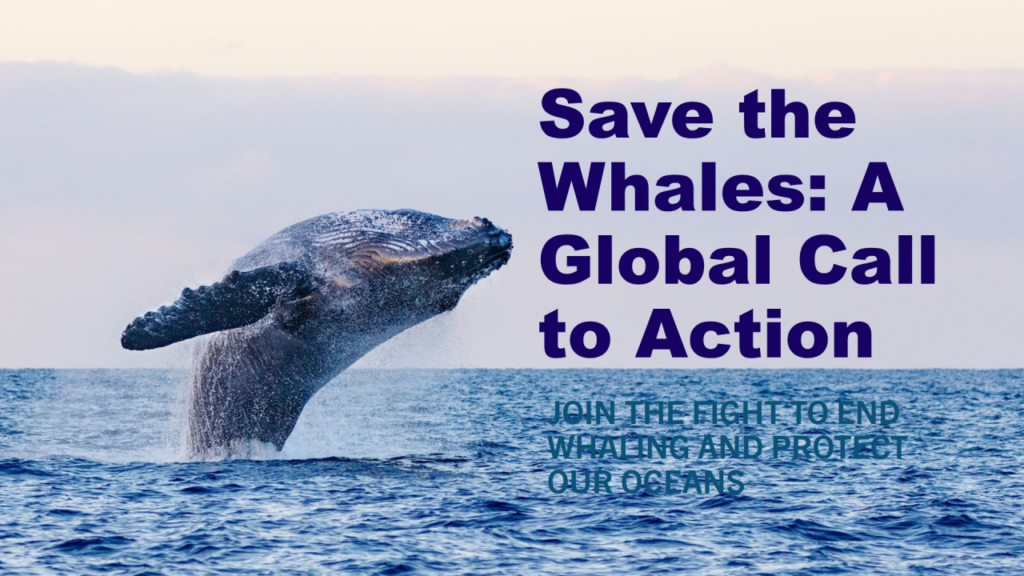
Protecting whales is not only about saving individual animals. Whales are important contributors to healthy ocean ecosystems.
They support marine environments by:
- Recycling nutrients
- Supporting food webs
- Helping maintain biodiversity
- Contributing to ocean carbon cycles
Healthy whale populations are connected to healthier oceans, which benefit people through:
- Fisheries
- Climate regulation
- Coastal economies
- Marine biodiversity
The survival of whales reflects the overall condition of the world’s oceans.
What the Future of Whale Conservation Looks Like
The global fight against whaling has made significant progress, but the work is far from complete. Many whale populations have shown encouraging signs of recovery since commercial hunting declined, yet new environmental pressures continue to emerge.
The future of whale conservation will depend on combining strong international agreements with practical solutions for modern ocean challenges.
Key priorities include:
- Strengthening cooperation between countries.
- Reducing human-caused threats such as entanglement and ship strikes.
- Supporting scientific research and monitoring.
- Protecting important whale habitats.
- Balancing cultural considerations with conservation goals.
Protecting Whales in a Changing Ocean
The story of whaling has changed dramatically over the past century. What was once a global industry that threatened many whale species has become a complex conservation issue involving science, policy, culture, and environmental protection.
Although disagreements remain, one message is increasingly clear: whales play an essential role in ocean health, and their protection benefits the entire planet.
The fight against whaling is no longer only about stopping the hunt—it is about creating a future where whales and humans can share a healthier ocean.
Related Posts
Why Whales Matter: The Ocean Giants That Help Protect Our Planet
Whales are among the largest and most fascinating animals on Earth. From the enormous blue…
Meet the Whales: Fascinating Facts About the Ocean’s Most Extraordinary Mammals
Whales are among the most remarkable creatures on Earth. These ocean giants have captured human…
From Rescue to Release: Inspiring Stories of Whale Conservation Success
Across the world’s oceans, whales face challenges that can turn a routine journey into a…
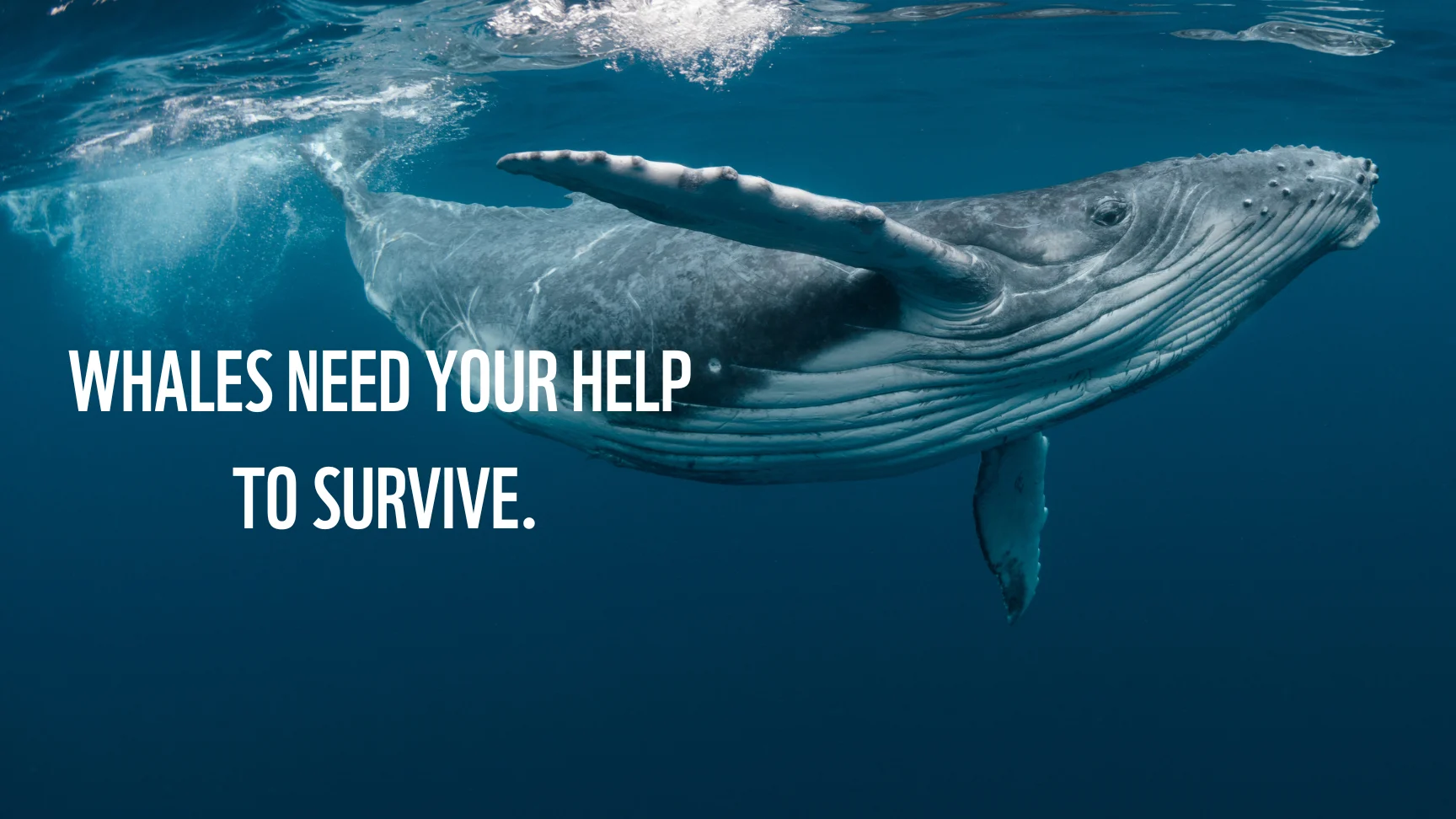
Every Action Counts: Simple Ways You Can Help Protect Whales
Whales are some of the most extraordinary animals on Earth. These ocean giants help maintain…